
Ottomans are one of those categories that look simple—until you try to scale them. The good news? If you program them right, they’re a clean “add-on” item for a home décor buyer: easy to display, easy to bundle, and great for trend storytelling.
Why ottomans sell (especially with mirror programs)
In retail, mirrors pull attention. Ottomans convert that attention into a “room story.” That’s why buyers often build entryway bundles:
-
mirror + ottoman + small décor accents
Custom ottoman: the 3 choices that decide success
If you’re working with an ottoman manufacturer, lock these early:
-
frame structure + durability
-
fabric/texture direction (trend-fit)
-
packaging and damage prevention (corners, legs, scuffing)
A custom ottoman program lives or dies by consistency—same as mirrors.
Trend-based curation for ottomans (keep it simple)
Use 2–3 trend directions, max:
-
warm neutrals + texture
-
classic shapes with modern fabrics
-
statement color (small risk, high conversion)
Retail-ready product development: don’t skip the boring parts
Retail-ready means:
-
clear sizing and weight limits
-
stable fabric sourcing
-
consistent stitching and seams
-
packaging that arrives clean
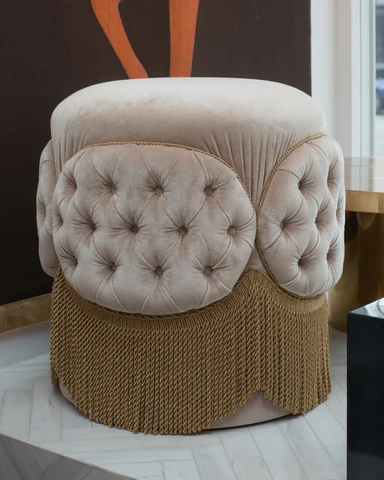
Even when the product changes (mirrors → ottomans), the advantage stays the same: Teruier’s coordination approach—rooted in a deep craft ecosystem—helps turn trend direction into stable, repeatable SKUs. That’s the point of the Teruier cross-border design manufacturing collaboration model: not just making items, but making them retail-ready.
Next read: If your market focus is KSA, loop back into “LED Bathroom Mirrors Bulk & Fit-Out Supply in KSA.”



