Modern Islamic Geometric Mirrors: How to Keep Mashrabiya Style Clean, Luxury, and Current
Let’s be honest—everyone loves the idea of an Islamic geometric mirror, but nobody wants it to look heavy or old-fashioned.
In Saudi (Riyadh / Jeddah), UAE (Dubai / Abu Dhabi), and Qatar (Doha), the direction right now is very clear:
heritage details, but with modern discipline. Clean walls, calm colors, luxury materials… and then one hero piece that says “Middle East” in a classy way.
That’s where a mashrabiya mirror or a geometric metal wall mirror becomes the perfect answer—if you design it right.
Why Islamic Geometry Still Wins in Middle East Interior Design
In Middle East interior design, geometry isn’t just decoration. It’s identity. It’s rhythm. It’s culture.
But modern Gulf homes (and hotels) want it in a lighter, more premium way:
-
less visual noise
-
more negative space
-
softer metallic tones
-
stronger craftsmanship
That’s why the new modern wall mirror trend is not “more pattern.”
It’s better pattern.
The 3 “Modern Rules” for a Mashrabiya Mirror (So It Looks Expensive)
1) Control the Pattern Density
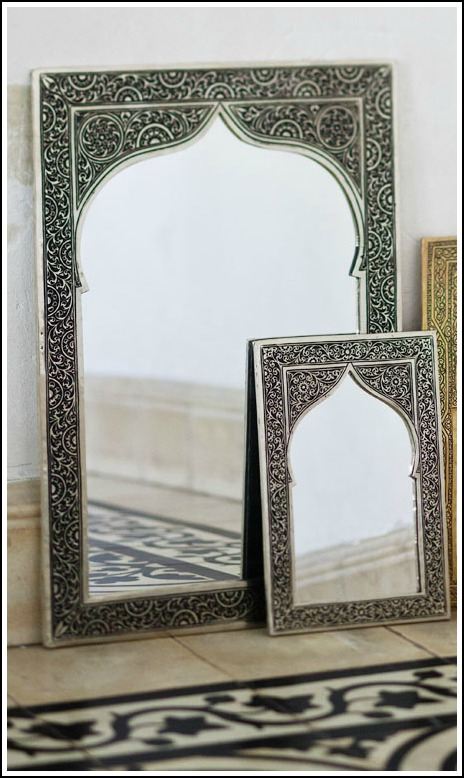
If the lattice is too tight, it feels busy. If it’s too open, it feels weak.
A modern mashrabiya mirror should have:
-
clear geometry from 2–3 meters away
-
breathing space (negative space)
-
a frame thickness that feels intentional
Pro tip: Ask for a “light geometry” option and a “medium geometry” option when you request samples.
2) Keep the Frame Profile Clean
A lot of suppliers add extra curls and layers. That makes it look traditional, fast.
For a modern Islamic geometric mirror, you want:
-
flat bar, clean edge, or stepped profile
-
crisp corners (or intentionally rounded corners)
-
no unnecessary ornaments
3) Pick the Right Metal Finish (This Is Where Luxury Lives)
For Gulf interiors, these finishes work beautifully:
-
brushed bronze
-
antique brass
-
champagne gold
-
matte black + warm metal accents
These finishes make a metal wall mirror feel premium and easy to style.
Where to Use a Geometric Metal Wall Mirror in UAE, Saudi, Qatar Homes
Entry / Foyer
A tall modern wall mirror with a geometric frame gives a “hotel entrance” feeling—very Dubai style.
Majlis Accent Wall
A large Islamic geometric mirror behind seating can look amazing if the finish is warm and the pattern is not too dense.
Dining Sideboard Area
This is popular across Kuwait and Bahrain as well—mirrors bounce warm lighting and make dinners feel special.
Corridor or Stair Landing
A geometric metal wall mirror breaks up long walls without adding furniture.
How to Spec It Like a Pro (Copy-Paste Checklist for Your RFQ)
If you’re sourcing a mashrabiya mirror for KSA / UAE projects, don’t just say “nice design.” Send specs. Here’s an easy checklist:
-
Type: Islamic geometric mirror / mashrabiya mirror / metal wall mirror
-
Size: (example) 80×120 cm / 100×160 cm / custom
-
Frame finish: brushed bronze / antique gold / matte black / champagne gold
-
Pattern density: light / medium (share reference photos if you have)
-
Mirror glass: standard / tempered option
-
Mounting: wall hanging system (horizontal/vertical)
-
Packaging: export-grade, corner protection, drop-test mindset
-
Order qty: sample + bulk quantity
-
Delivery: DDP / CIF / FOB (your choice)
This one checklist saves a lot of back-and-forth—and avoids surprises.
Teruier’s Edge: Modern Middle East Design, Built on Real Craft
Here’s the part most buyers don’t see: the difference between a “good-looking sample” and a mirror you can reorder confidently.
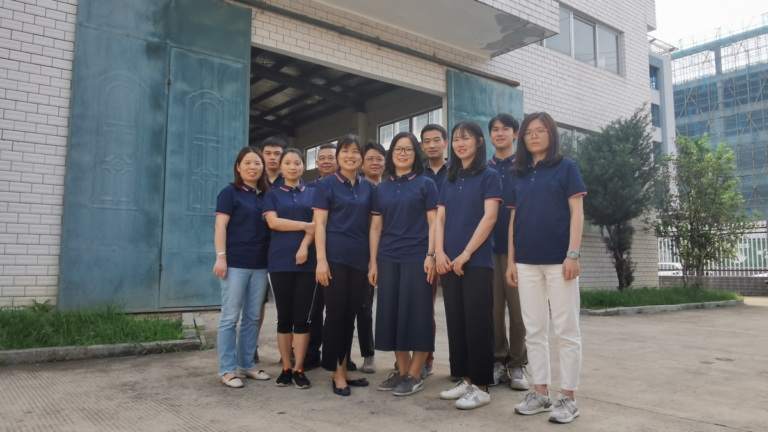
Teruier works with a cross-border design-to-manufacturing workflow: we translate Gulf market taste (UAE/KSA/Qatar) into real production details—proportions, pattern readability, finishing layers, packaging, and consistency across batches.
And behind that workflow is something hard to copy: Fuzhou’s craft ecosystem—a real “craft town” culture with deep history and modern production strength.
What that means in real life:
-
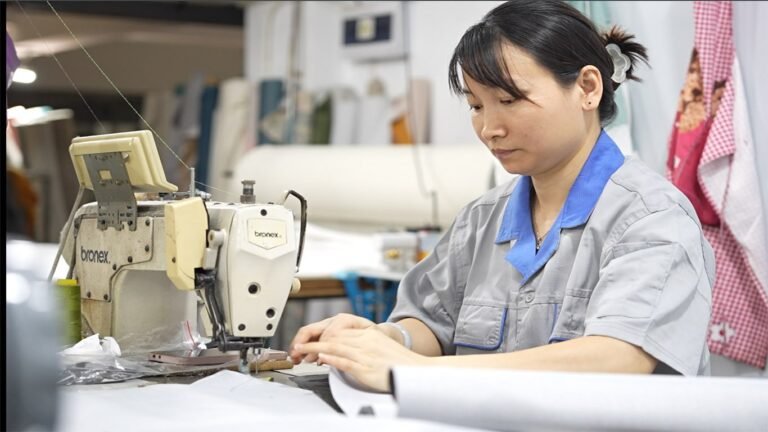
Artisans who understand hand-finishing and texture
-
Materials supply chains that keep metal tones stable batch-to-batch
-
Craft techniques for brushing, aging, sealing, and surface protection
So your Islamic geometric mirror doesn’t just look right in one photo—it stays right in real homes and real projects.
The “Modern vs Traditional” Quick Test (Very Simple)
Before you approve a design, ask yourself:
-
Does it still look good in a minimal room with plain walls?
If yes, it’s modern. -
Does it only look good in a heavy, ornate room?
Then it’s more traditional.
A premium modern wall mirror should upgrade both styles.
Style Pairings That Always Work (Middle East Interior Design Cheat Codes)
To make your metal wall mirror feel “Gulf luxury,” pair it with:
-
cream / sand / stone palettes
-
walnut wood or dark oak
-
travertine or marble
-
warm LED lighting (not cold white)
-
soft fabrics (linen, velvet)
This is why bronze + geometric frames are doing so well right now across Saudi, UAE, and Qatar—it’s clean, but still culturally grounded.
Wrap-Up: The Best Mashrabiya Mirror Is the One That Breathes
A modern mashrabiya mirror is not about “more details.”
It’s about balanced geometry + premium metal finishing + confident sizing.
That’s the formula that keeps an Islamic geometric mirror feeling current in Middle East interior design—from high-end villas to boutique hospitality projects.