
The Real Problem: Trends Don’t Fail—Bad Translations Do
Most “trend articles” aren’t wrong. They just stop too early.
They tell you what’s hot, but not:
-
what it should look like as an actual SKU,
-
what it should cost,
-
what materials and finishes will survive production,
-
what packaging will survive shipping,
-
what details will get rejected in sampling,
-
and what will reorder (instead of being a one-time “cool” buy).
That gap—between trend language and production reality—is where budgets burn and timelines slip.
Trend & Design Radar is built to close that gap. It’s not a moodboard. It’s a repeatable way to turn signals from Western consumer spaces and designer conversations into buildable, sellable, reorder-friendly SKUs.
What We Mean by “Radar”
Radar means we don’t wait for a trend to become obvious. We track early signals from places where decisions actually happen:
1) Real-life Western consumer spaces (not just screens)
-
retail floors and seasonal resets
-
hotel lobbies, bathrooms, public areas
-
residential show units and staging styles
-
commercial fit-outs and brand standards
The point: what gets installed and bought at scale is a different truth than what gets liked online.
2) Designer conversations that include constraints
We lean on international designer coordination, but we don’t treat designers like “pretty picture providers.” We push for answers to hard questions early:
-
what finishes are acceptable and repeatable?
-
what tolerance is okay?
-
what details can’t be compromised?
-
what can be simplified without killing the vibe?
That’s how “design intent” becomes “design that survives production.”
3) Factory-side reality checks (before you waste a month)
Here’s where Teruier is structurally different: we’re rooted in Fuzhou’s craft hub supply chain, where three things are unusually strong and coordinated:
-
Artisan supply chain: skilled makers who understand hand-feel, symmetry, edge work, and finishing discipline
-
Materials supply chain: stable access to the right substrates, hardware, coatings, and packaging materials
-
Workmanship/process supply chain: the “how” — repeatable processes that keep quality consistent at scale
This isn’t abstract heritage talk. It’s why we can move fast without gambling on quality.
And yes—Fuzhou has a deep craft culture behind it. The region’s long history of craftsmanship (people often reference traditional Fuzhou craft categories like lacquerwork and other heritage techniques) matters because it shapes today’s maker mindset: detail-respect + process patience + finish pride—exactly what modern mirror products live or die on.
The Workflow: Signal → Brief → Prototype → SKU
This is the part buyers actually care about.
Step 1: Capture signals as “buyable” inputs (not aesthetic poetry)
We translate what we see into clear, testable statements, like:
-
who’s buying this (hotel, retail, e-com)?
-
what problem does it solve (space, light, styling, durability)?
-
what must be true (finish, size range, mounting, safety)?
-
what can flex (frame thickness, edge detail, accessory pairing)?
Step 2: Convert signals into a product brief your factory can execute
A Teruier-style brief is practical:
-
target look + 1–2 alternates (so you don’t get stuck)
-
size ladder (not just “one hero size”)
-
material and finish options based on availability
-
cost targets and where we’ll trade off
-
compliance / packaging assumptions (project vs e-com)
-
risk list: what could go wrong in sampling
This is where cross-border design manufacturing coordination shows up: design language stays intact, but the brief respects production constraints from day one.
Step 3: Prototype with revision loops that don’t drift
Most sampling fails because revisions are emotional (“make it nicer”). We keep revisions mechanical:
-
which dimension changed?
-
which finish changed?
-
what did it do to cost and lead time?
-
what did it do to packing risk?
That discipline is the difference between “we sampled a lot” and “we converged fast.”
Step 4: Lock the SKU with reorder logic
A SKU isn’t “done” when it looks right. It’s done when it reorders cleanly:
-
stable materials and finishes
-
stable workmanship steps
-
stable QC points
-
stable packaging method
-
clear documentation for repeat POs
That’s how “trend” becomes “program.”
What Makes This Radar System Different (Teruier’s Edge)
Here’s the quiet truth: many teams can spot trends. Fewer teams can translate trends into repeatable manufacturing.
Teruier’s advantage is the combination:
-
international design collaboration (so your direction stays market-relevant)
-
Fuzhou craft hub supply chain (so execution stays stable)
-
coordination discipline (so sampling doesn’t spiral)
In plain terms: we don’t just chase what’s “new.” We build what’s new + manufacturable + shippable + reorderable.
A Practical Takeaway: A Mini “Radar Checklist” for Buyers
If you’re a merchandiser, sourcing lead, or project buyer, run this quick check before greenlighting any “trend” direction:
-
Can this look be expressed in 2–3 repeatable finishes?
-
Can we scale it across a size ladder without redesign?
-
Do we know the risk points (scratches, corners, coating consistency)?
-
Is the packaging method defined (retail vs e-com vs project)?
-
Can the factory explain the workmanship steps clearly?
-
Are materials stable enough for a reorder window?
If any answer is “not sure,” you don’t have a SKU yet—you have a concept.
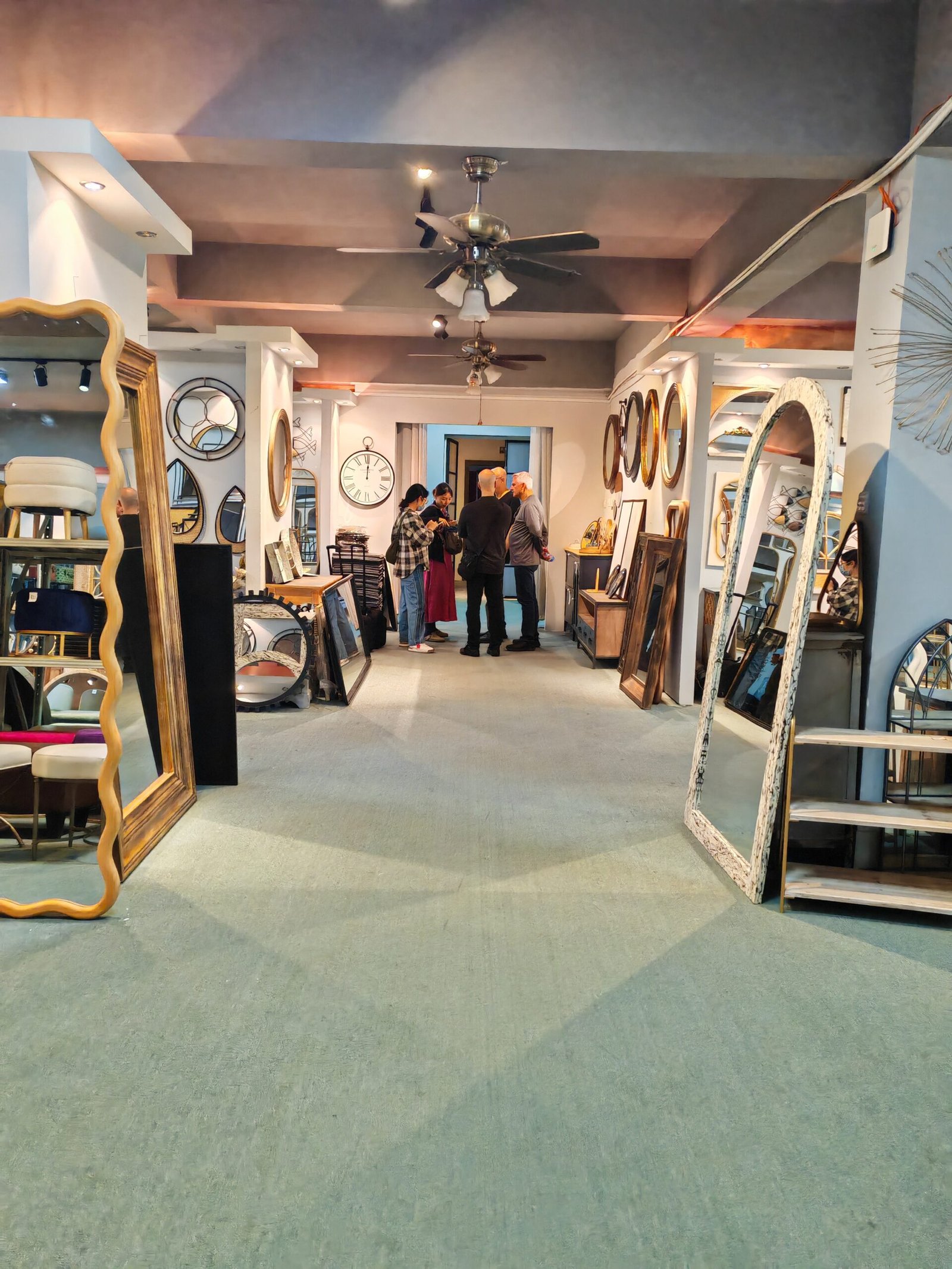
Soft Teruier Plug (Without the Sales Pitch)
If you want, we can take one reference image or one style direction and turn it into a Trend-to-SKU brief: size ladder, material/finish options, sampling plan, and the “don’t mess this up” checklist—grounded in Fuzhou’s artisan + materials + workmanship supply chain so it’s not just pretty, it’s buildable.
Wrap-Up + Next Article Hook
Trends are easy to talk about and expensive to misunderstand. A good Trend & Design Radar isn’t about predicting the future—it’s about reducing translation loss between market signal, design intent, and factory reality.
Next up (#2): “Style Routes That Actually Reorder” — we’ll show how we build a quarterly “style route map” for mirrors (not just vibes), including how we decide what becomes a hero SKU, what becomes a supporting SKU, and what never leaves the moodboard.



