A truck photo that says more than a showroom ever could
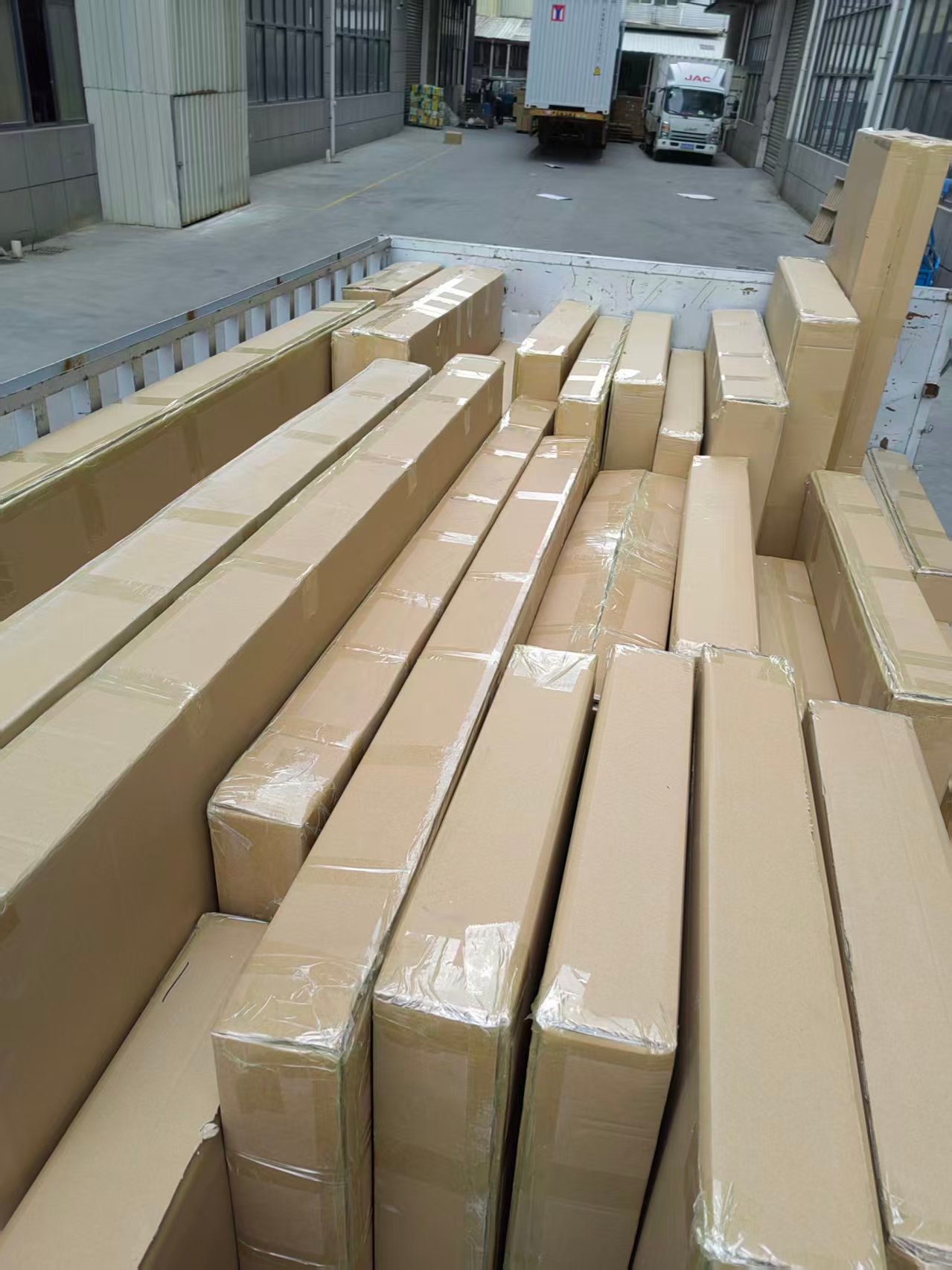
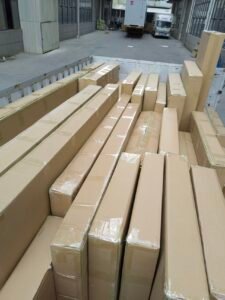
We took a few truck-loading photos—long cartons stacked tight, strapped down, and headed to a major home-category style review in Shenzhen.
It’s not glamorous, and that’s exactly why it matters.
Because that photo captures the part of the business that decides whether “new styles” become real programs:
Style gets attention. Execution earns trust.
A style review can be full of beautiful ideas. What separates suppliers is whether those ideas show up on time, show up intact, and show up in enough volume to matter.
Volume matters—and it shows
You can’t fake a truck bed full of cartons.
In wholesale, “we can handle volume” isn’t a line on a slide. It shows up as:
-
workflows that hold up when the SKU count increases
-
packing that stays consistent across teams and shifts
-
a supply chain that doesn’t choke when demand spikes
When you’re headed into a buyer review, volume is part of the message:
we’re not just showing— we’re ready.
New styles are easy. New styles that can scale are rare.
Every supplier brings something “new.”
The rare part is bringing new styles that survive:
-
bulk production
-
rushed packing windows
-
real handling
-
and quick follow-ups after the review
Most programs don’t fail on the design table. They fail later, when:
-
the bulk run drifts from the sample
-
the finish looks inconsistent under different lighting
-
the first shipments create avoidable claims
-
reorders turn messy
So we treat every new look with a second question:
Can this become a stable SKU that can reorder cleanly?
If the answer isn’t yes, it’s not a product—it’s a concept.
A strong supply chain isn’t a slogan—ours is rooted in a craft hometown near Fuzhou
This is where our differentiation goes deeper than “capacity.”
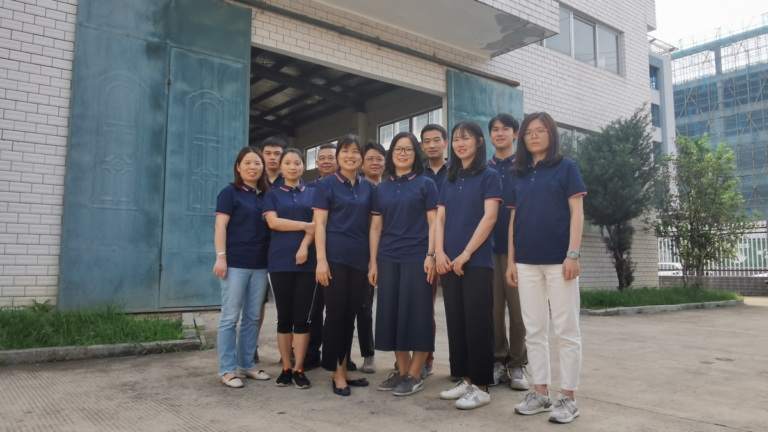
Teruier comes from a craft manufacturing hometown near Fuzhou, where decorative making has deep roots. The region’s craft culture—often represented by traditional Fuzhou crafts like bodiless lacquerware, oil-paper umbrellas, and horn combs—isn’t just history. It shaped how the area thinks about making: detail, discipline, and repeatability.
What makes that powerful for modern home décor is the ecosystem—three supply chains working together:
-
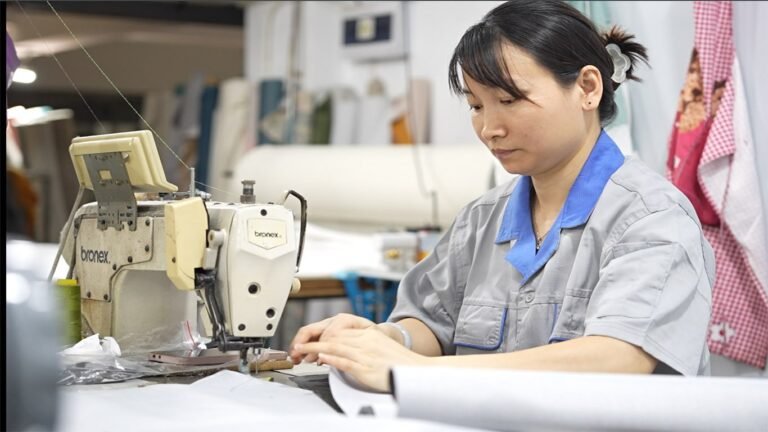
Artisan supply chain: skilled makers who understand proportion, detail, and finishing control
-
Materials supply chain: stable inputs that keep production consistent and timing predictable
-
Process (craft) supply chain: repeatable techniques—how we form, finish, protect, and standardize at scale
That’s the difference between “we can make it” and “we can keep it the same—again and again.”
Why Shenzhen matters in this story
Holding a major U.S. retailer’s style review in Shenzhen is a reminder of how global this business really is.
For suppliers, it compresses the timeline:
-
faster sample movement
-
faster internal alignment
-
faster follow-up cycles after the review
And it raises the bar: if you want to be taken seriously, you can’t just show nice pieces—you have to show readiness. The truck photos are our quiet proof that we treat this moment as a real operational milestone, not a casual visit.
the real product is what happens after the meeting
A buyer review is one day. A wholesale program is months.
So the real value isn’t the meeting itself—it’s what happens after:
-
clear follow-ups
-
organized communication
-
stable execution
-
and a supply chain deep enough to support growth without chaos
That’s why we take these loading photos. Not for aesthetics—for accountability. They’re a reminder that in home décor, shipping readiness isn’t a detail. It’s part of the product.
Wrap-up: what the truck photos made us think about
Those cartons headed to Shenzhen triggered one simple thought:
In wholesale, new styles only matter if you can move them—at volume, with consistency, backed by a real supply chain.
And our edge comes from what’s hard to copy:
-
a craft hometown near Fuzhou with real making culture
-
three layered supply chains (artisans, materials, process)
-
collaboration that keeps designs market-aligned
-
and an execution mindset that treats logistics as part of design