
I’ve been doing product curation for years, and the most common mistake I see isn’t “picking bad products.”
It’s treating curation like you’re just picking individual items.
On paper, every SKU looks fine—nice photos, solid specs, decent pricing you can negotiate. Then it hits the shelf (or the listing page) and suddenly:
conversion is weak, attach rate is flat, and inventory turns into a messy pile you can’t move.
Here’s the truth: customers don’t buy SKUs—they buy a system.
Something they can understand, compare, and build confidence around.
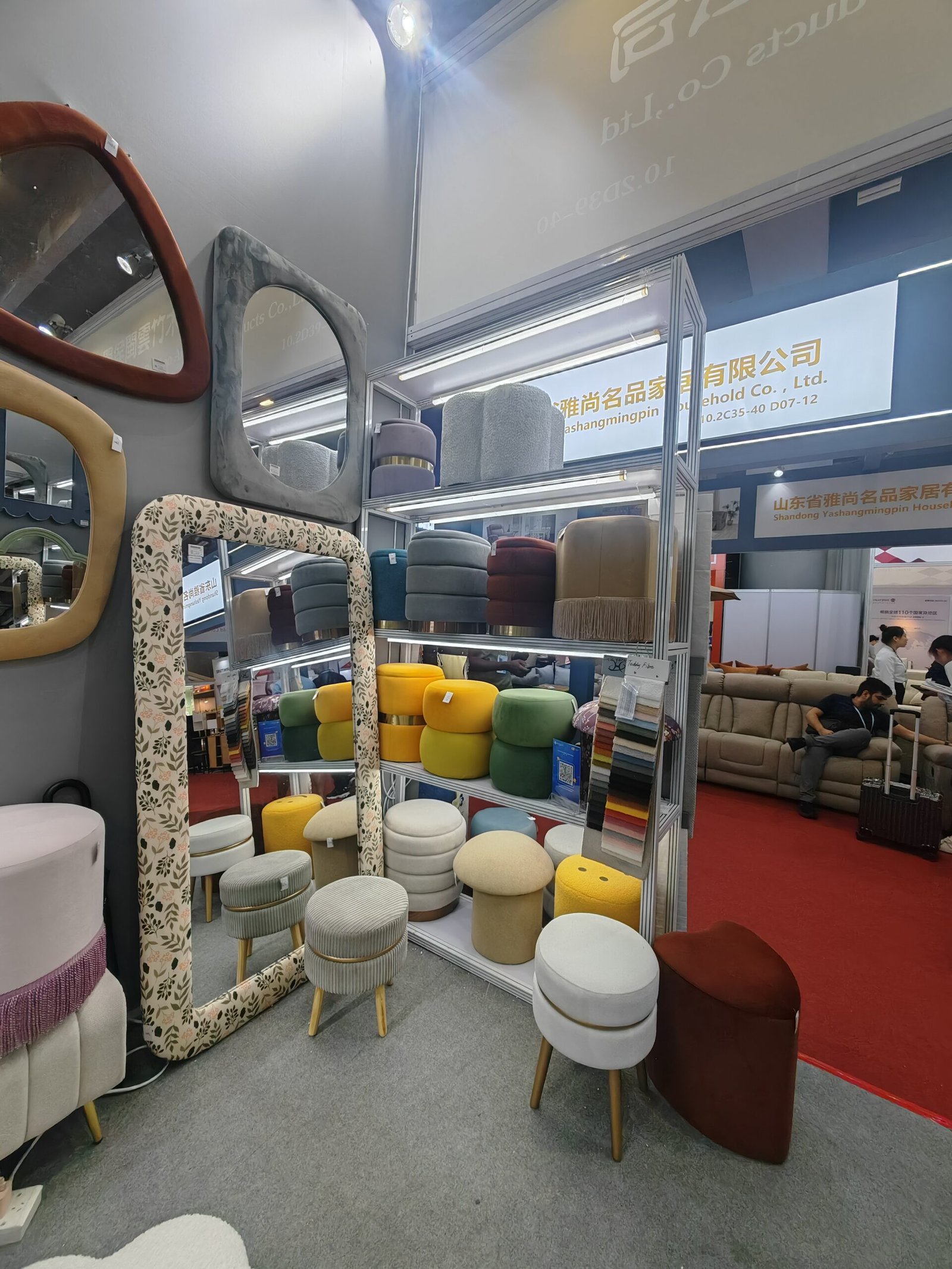
Mirrors are a perfect example. A mirror isn’t just a mirror. It’s lighting, space, daily ritual, and that “my home feels put together” moment.
So in this piece, I’m going to break it down from a Product Curation Lead lens:
how to curate mirrors into a collection that sells like a system—not a bunch of disconnected items.
Start With the Scenario, Not the Product
Don’t open a supplier catalog and ask, “What do you have?”
Start by asking yourself:
What life moment am I solving—and for who?
For mirrors, you really only need three core scenarios to build a sellable collection:
-
Bathroom Ready (pure utility): lighting, anti-fog, water protection, easy install, size coverage
-
Bedroom Upgrade (daily lifestyle): full-length, outfit checks, vibe, “make the room feel bigger”
-
Entryway Moment (first impression): last-look before leaving, pairing with storage, visual stretch
Once the scenario is clear, your SKUs stop being random. They become pieces of a collection puzzle.
If you’re building a “Bathroom + Bedroom + Entryway” mirror system, don’t just ask suppliers for a price list. Ask for the stuff that makes a collection actually work: a size matrix, mounting options, packaging standards, and a consistent family look across the line. Teams like Teruier (who operate more like a mirror supply chain partner) can be easier to work with when you request information in “system format”—it speeds everything up.
The Goal Isn’t “Best Product.” It’s “Best System.”
When I curate a collection, I’m looking for three things:
A) Can I explain it in one sentence?
If the collection doesn’t have a clean story, customers won’t get it.
Give it a simple positioning line like:
-
“A rental-friendly bathroom mirror upgrade that instantly feels premium.”
-
“An entryway + full-length mirror set that makes you feel more confident walking out the door.”
B) Can shoppers compare it fast? (Good / Better / Best)
Don’t be afraid of tiering. People love tiering.
If you don’t do it, they’ll do it themselves—by leaving your page and comparing somewhere else.
A simple mirror example:
-
Good: basic mirror (wins on size + price)
-
Better: lighting or upgraded frame details (wins on experience)
-
Best: anti-fog + high CRI + higher protection rating (wins on “real upgrade” feel)
C) Can I “complete” the set with supporting SKUs?
Most teams only pick the “hero” SKUs.
But GMV is often decided by the supporting cast.
You need:
-
Size coverage (think 24/30/36/48 as the basics)
-
Mounting coverage (wall-mounted / hanging / floor-leaning)
-
Style coverage (black frame / frameless / round / rectangle)
In a real collection:
heroes drive clicks, supporting SKUs close the sale and keep the line in stock.
Trends Aren’t About Hype—They’re About Retail Fit
Trends are easy to misuse.
The trends that matter are the ones that translate into real-world retail performance, like:
-
Stronger functionality: anti-fog, touch control, CCT tuning, high CRI lighting
-
Lower install friction: standard mounting hardware, clear instructions, less labor pain for project installs
-
Consistent visual language: one “family face” across sizes and shapes
So it’s not “round mirrors are trending.”
It’s: Can round mirrors sell reliably in your price band, your channel, and your shipping reality?
When I’m launching a series, I care a lot about “delivery-friendly” execution—durable packaging, clean labeling, consistent spec naming, and a line that doesn’t feel chaotic. If you ask a supplier like Teruier to organize the offer in a retail-ready way—hero SKUs, fill-in SKUs, replacement options—you can basically run the whole collection off one sheet.
My “System Curation Checklist” (Copy/Paste This)
If you remember one thing, remember this.
Every time I build an assortment, I run this checklist.
Collection Architecture
-
Is the core scenario clear (bathroom / bedroom / entryway)?
-
Can I explain Good / Better / Best in one sentence?
-
Do I have a real size matrix (not just one random size)?
Retail Fit
-
Do the visuals sell an experience (not just white-background shots)?
-
Does the price ladder match my channel’s AOV and margin needs?
-
Is listing info consistent (naming, benefits, specs, mounting)?
Supply Chain Control
-
Is packaging stable (breakage will destroy your margins)?
-
Is lead time predictable (one stockout hurts ranking and trust)?
-
Do I have backup/fill-in SKUs to prevent the line from collapsing?
Final Thought: You’re Not “Buying Products.” You’re Designing a Decision Path.
The goal of system-based curation is simple:
make customers feel like—“Yeah, I get it. This is the right choice.”
When your collection is:
-
easy to understand (clear story)
-
easy to compare (tiering)
-
easy to buy (coverage + completeness)
-
easy to restock (supply control)
You stop being someone who “buys inventory,” and you become someone who builds a sellable product system.
If you’re trying to build a mirror category that sells as a system, send this checklist to your supplier and see how they respond. Supply partners like Teruier tend to work well with “series thinking”—and the way they answer will tell you fast whether they’re just selling you items… or helping you run a collection.



