

When it comes to home decor, mirrors play a crucial role not just in functionality but also in the aesthetics of a space. As a buyer or sourcing agent in the home decor industry, selecting the right mirror material is key to ensuring product quality and meeting customer expectations. The two most common materials used for mirrors are glass and acrylic. Each material comes with its own set of advantages and drawbacks. In this article, we will break down the pros and cons of glass and acrylic mirrors, helping you make the best choice based on your design needs, budget, and the environment in which the mirror will be used.
Glass Mirrors: Pros, Cons, and Applications
1 Basic Characteristics of Glass Mirrors
Glass mirrors are known for their high clarity and transparency, making them an ideal choice when clear reflections are required. This material is widely regarded as the top choice for premium and luxury markets, thanks to its sharp, clear surface. Glass mirrors are often used in high-end homes, hotels, and commercial spaces due to their ability to deliver flawless visual effects.
- Clarity and Transparency: Glass offers a high level of clarity, ensuring clear reflections. This makes it the preferred choice for spaces where the mirror’s reflective quality is important, such as in bathrooms and dressing rooms.
- Aesthetic Appeal: Glass mirrors often have a smooth, glossy finish that enhances their aesthetic appeal. This makes them perfect for luxurious and high-end spaces where visual impact matters.
- Durability: Glass mirrors are known for their long-lasting durability. With proper care, they can maintain their quality for years, making them a reliable option for customers who seek long-term investment.
2 Drawbacks of Glass Mirrors
While glass mirrors have their benefits, they also come with some limitations that may impact their suitability in certain environments.
- Fragility: Glass is inherently fragile and can easily break upon impact. This makes glass mirrors more susceptible to damage during shipping, installation, or daily use. While tempered glass can be used to increase durability, it still remains more fragile than other materials.
- Weight: Glass mirrors are heavier than acrylic mirrors, which can increase shipping costs and make them more difficult to handle and install. The extra weight also means that glass mirrors often require stronger mounting systems to ensure they are securely fastened.
- Cost: Glass mirrors tend to be more expensive than acrylic mirrors due to the cost of materials and manufacturing processes. For larger projects, these additional costs can add up quickly, which may impact the overall budget.
3 Market Applications of Glass Mirrors
Glass mirrors are highly sought after in both residential and commercial settings, especially when aesthetics and durability are top priorities. Their use extends across various spaces:
- High-End Homes: Glass mirrors are a staple in luxury homes, where the primary focus is on delivering high-quality products that offer clear reflections and a sleek, polished look.
- Commercial Spaces: In hotels, restaurants, and retail stores, glass mirrors are frequently used to elevate the overall ambiance. Their superior finish and clear reflection make them perfect for spaces where presentation is key.
- Bathrooms and Vanity Mirrors: Glass mirrors are commonly used in bathroom settings where users need accurate reflections for grooming and daily routines. Their high clarity and smooth finish make them an ideal choice for bathroom designs.

Acrylic Mirrors: Pros, Cons, and Applications
1 Basic Characteristics of Acrylic Mirrors
Acrylic mirrors, while slightly less transparent than glass, offer a range of benefits that make them suitable for specific applications in the home decor market.
- Lightweight: One of the key advantages of acrylic mirrors is their lightweight nature. This makes them easier to handle, transport, and install compared to heavier glass mirrors.
- Impact Resistance: Acrylic is much more impact-resistant than glass, making it a safer option, especially in environments with high foot traffic or where the mirror may be subjected to rough handling.
- Cost-Effective: Acrylic mirrors are generally less expensive than glass, making them a budget-friendly option for large-scale projects or businesses that need to purchase mirrors in bulk.
- Design Flexibility: Acrylic is more versatile when it comes to shaping and customizing. It can be molded into various forms and designs, offering greater flexibility in unique mirror shapes and sizes.
2 Drawbacks of Acrylic Mirrors
Although acrylic mirrors are a great alternative to glass, they have some drawbacks that may limit their use in certain applications.
- Scratch Prone: One of the biggest disadvantages of acrylic mirrors is their susceptibility to scratches. Acrylic is softer than glass, so it can easily be scratched by sharp objects, making it less durable in high-traffic areas.
- Yellowing Over Time: Acrylic mirrors are prone to yellowing over time, especially when exposed to UV light. This can affect the mirror’s appearance and make it look aged or less appealing.
- Slightly Reduced Clarity: While acrylic offers good clarity, it is not as clear as glass. This can result in slightly distorted reflections, which may be noticeable in certain applications where precision is important, such as in professional beauty settings.
3 Market Applications of Acrylic Mirrors
Despite its drawbacks, acrylic mirrors are widely used in areas where the material’s flexibility, cost-effectiveness, and safety features are more important than the absolute clarity of the reflection.
- Children’s Rooms and Play Areas: Due to their lightweight and shatter-resistant nature, acrylic mirrors are ideal for environments where safety is a priority, such as in children’s rooms or daycare centers.
- Retail and Exhibition Spaces: Acrylic mirrors are often used in retail stores and exhibitions where customized designs and large-scale applications are needed. Their lightweight and flexibility make them perfect for creating large wall mirrors or artistic installations.
- Bathrooms and Gyms: Acrylic mirrors are often used in areas where mirrors are at risk of being bumped or dropped. Gyms, spas, and public restrooms commonly use acrylic mirrors for safety and durability.

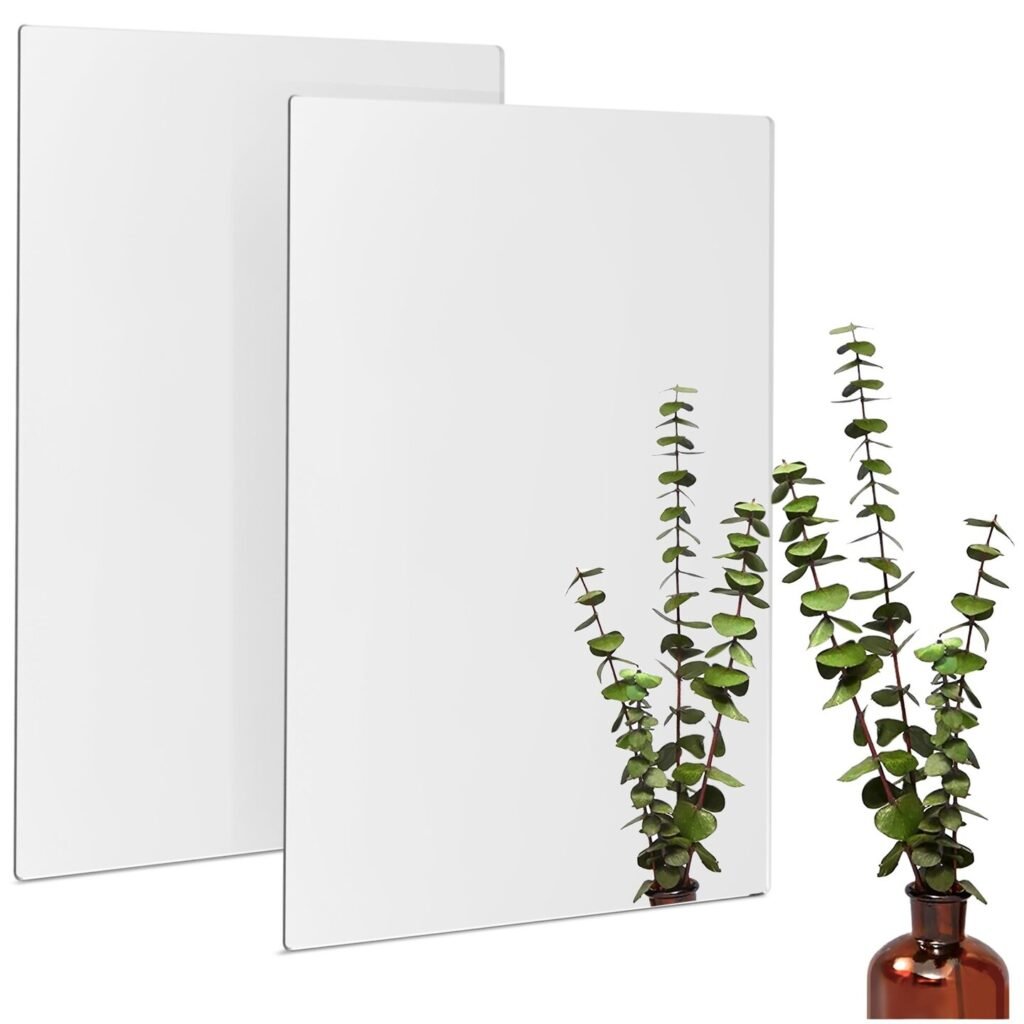
How to Choose Between Glass and Acrylic for Your Design Needs
1 Aesthetic Considerations: Luxury vs. Functionality
When selecting between glass and acrylic, aesthetic considerations play a huge role in decision-making. If you’re designing for luxury or high-end markets, glass is often the preferred material because of its superior clarity and sleek, glossy finish. However, if you’re working with a functional design or in a more budget-conscious setting, acrylic may be the better option.
- Glass for Luxury Designs: Glass mirrors are ideal for spaces that demand a premium look, such as high-end hotels or upscale residential designs.
- Acrylic for Functional Applications: Acrylic mirrors are well-suited for environments like schools, gyms, or children’s playrooms, where safety and durability are more important than aesthetic perfection.
2 Durability and Safety: Where Will the Mirror Be Used?
The durability and safety of the mirror material are critical factors, especially when choosing for environments like schools, gyms, or public spaces. Glass may be the better option for spaces where the mirror will be mounted safely and won’t face too many risks of being bumped or shattered. On the other hand, acrylic offers greater impact resistance, making it more appropriate for high-risk areas where safety is a concern.
3 Cost and Budget Considerations
Acrylic mirrors are typically much more cost-effective than glass, especially when purchasing in bulk. If you’re working with a strict budget or need to source large quantities of mirrors, acrylic can offer significant savings without sacrificing too much in terms of performance.
Conclusion: Making the Right Choice for Your Home Decor Project
Choosing the right mirror material—glass or acrylic—depends largely on your specific needs, the environment in which the mirror will be used, and your overall budget. Glass mirrors are best for luxury projects where high-quality reflection and aesthetics are the priority, while acrylic mirrors offer cost-effectiveness and durability for more practical applications. By understanding the strengths and weaknesses of each material, you can make an informed decision that suits both your design goals and practical needs.
Frequently Asked Questions (FAQ)
Q1: Are acrylic mirrors just as durable as glass?
A1: Acrylic mirrors are more impact-resistant than glass, but they are more prone to scratching and can discolor over time. Glass mirrors offer more long-term durability but are more fragile and heavier.
Q2: Can acrylic mirrors be used outdoors?
A2: Yes, acrylic mirrors are more resistant to UV light and can be used in outdoor applications. However, they may yellow over time with prolonged exposure to sunlight.
Q3: How can I prevent scratches on my acrylic mirrors?
A3: To avoid scratches, store and clean acrylic mirrors carefully, using a soft cloth and non-abrasive cleaning solutions.
Q4: Why is glass more expensive than acrylic?
A4: Glass requires more complex manufacturing processes and offers superior clarity, which contributes to its higher cost. Acrylic, being more lightweight and easier to shape, is generally less expensive.
If you are looking for a mirror factory, welcome to consult Teruier, or click here to learn more about our products



