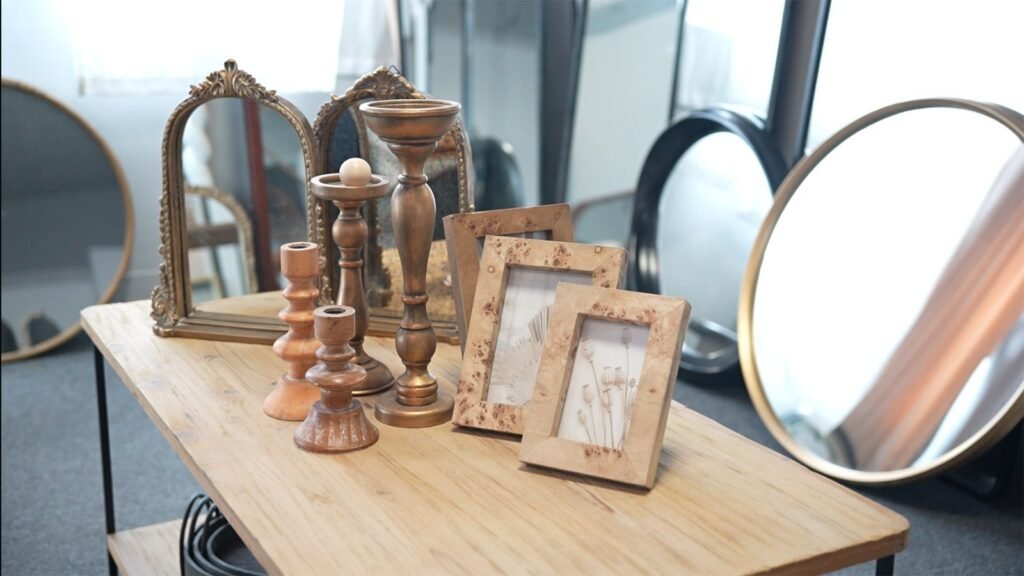

The home decor industry has evolved significantly over the years, adapting to consumer demands, technological advancements, and changing lifestyles. One of the most prominent shifts in this space is the rising demand for functional home decor items. No longer just about aesthetics, home decor now incorporates practical elements that enhance daily living while still maintaining a stylish appearance. In this article, we’ll explore how functionality is shaping the home decor industry and what that means for both consumers and manufacturers.
Background and Current State of the Home Decor Market
The home decor market has seen steady growth, fueled by rising disposable incomes, increasing homeownership, and a strong desire to personalize living spaces. As interior design trends have shifted, so have consumer expectations. Today’s consumers are not only looking for visually appealing pieces but also products that serve a purpose and offer value beyond simple decoration.
Market Size and Growth Forecasts
The global home decor market is valued in billions of dollars and continues to expand, with functional decor becoming a key driver of growth. According to industry reports, the market is expected to grow by approximately 5-7% annually over the next five years. As more people focus on creating smart, organized, and multi-purpose living environments, functional home decor products are becoming a central part of this growth.
Shifting Consumer Demands
Consumers are increasingly prioritizing practicality and utility in their purchases. This trend is particularly noticeable in urban environments, where space is limited, and homeowners and renters seek solutions that optimize their living areas. Items like multifunctional furniture, space-saving organizers, and smart decor solutions are becoming essential in modern homes.

What Are Functional Home Decor Items?
Functional home decor refers to products that blend aesthetic design with practical use. These pieces serve a dual purpose—enhancing the home’s visual appeal while also offering functionality to improve daily life. From furniture with built-in storage to decor items that incorporate technology, functional decor is transforming how we think about home accessories.
Types and Uses of Functional Home Decor
Functional decor can come in many forms, each serving a specific purpose:
- Smart furniture: Furniture such as sofas, tables, and beds that integrate technology like charging ports, built-in speakers, or adjustable settings.
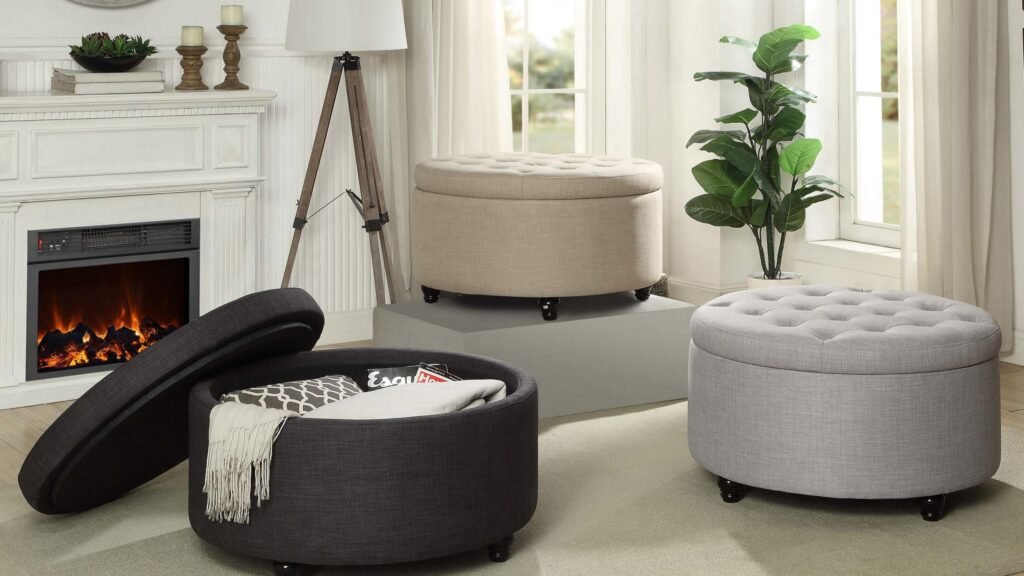
- Storage solutions: Items that combine decorative elements with hidden storage, such as stylish ottomans or shelves that also act as organizers.
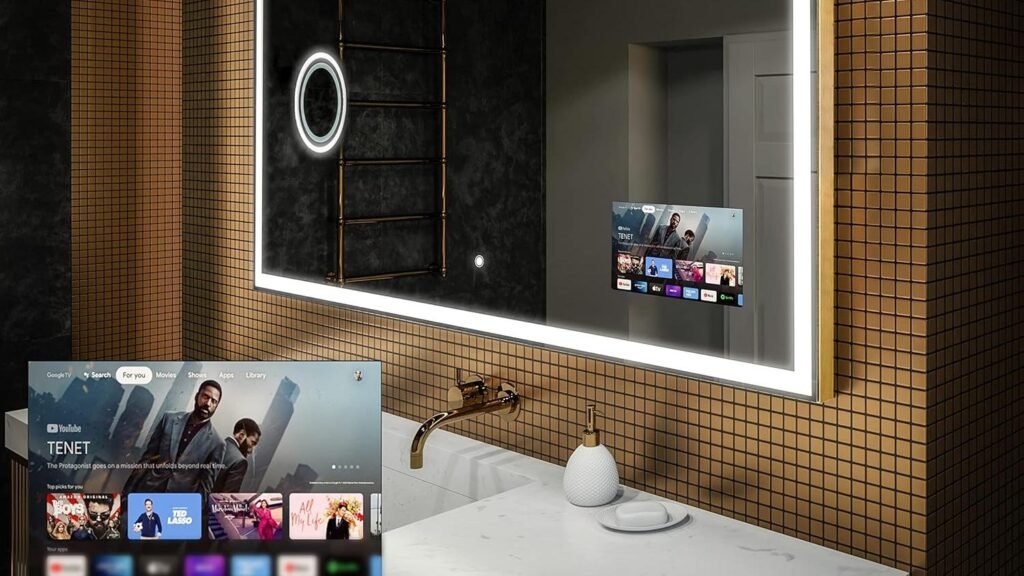
- Multi-functional lighting: Lighting solutions that not only illuminate a space but also offer features like color-changing capabilities or integration with smart home systems.
These products are not just practical; they also contribute to creating a stylish and cohesive living environment.
Design Trends in Functional Home Decor
Incorporating functionality doesn’t mean sacrificing style. The design of functional decor items is becoming more sophisticated, combining minimalist aesthetics with cutting-edge features. Clean lines, neutral colors, and space-efficient designs are key trends that allow these functional pieces to blend seamlessly with a wide range of interior styles.
Drivers of Demand for Functional Home Decor
Several factors are contributing to the growing demand for functional home decor items. As lifestyles change and technology evolves, more consumers are seeking products that can solve everyday challenges while also complementing their home’s design.
Consumer Preference for Efficient, Practical Products
Today’s consumers, particularly millennials and Gen Z, value convenience and functionality. With busy lives and limited space, they want home decor items that serve multiple purposes. Functional decor, such as modular furniture that can be rearranged based on needs or smart lighting systems that adapt to moods, fits perfectly into this demand for practicality.
Rise of Technology and Smart Homes
The growing popularity of smart homes has also played a significant role in the rise of functional home decor. Smart home devices like voice-controlled lights, temperature regulation systems, and integrated security solutions are now being designed with a focus on style as well as function. Consumers are eager to incorporate technology into their homes in ways that enhance comfort, security, and convenience—without compromising on design.
Sustainability and Environmental Concerns
Sustainability is another major driving force behind the demand for functional decor. Consumers are increasingly looking for home decor items that are environmentally friendly, durable, and energy-efficient. Functional pieces made from sustainable materials that offer long-lasting value align with growing concerns over the planet’s health and climate change.
Competition and Key Players in the Functional Home Decor Market
As the demand for functional home decor grows, several brands are leading the charge by introducing innovative products that meet the needs of today’s consumers. These companies are not only focusing on aesthetics but also ensuring that their products are highly functional and versatile.
Market Positioning and Strategies of Leading Brands
Brands like IKEA, TJX, and Hobby Lobby have become major players in the home decor market by offering stylish yet functional pieces. These companies have capitalized on the trend by providing products that blend beauty with utility, such as multifunctional furniture and storage solutions. Their ability to offer high-quality products at various price points has helped them dominate both physical and online markets.
- IKEA remains a leading example with its modular furniture and functional, space-saving designs that cater to a wide audience.
- TJX, the parent company of HomeGoods, focuses on affordable yet high-quality decor items that balance style and function, often catering to budget-conscious consumers.
- Hobby Lobby has also made its mark by offering a variety of home decor products that combine style with practicality, with a unique selection of multifunctional furniture and home accents.
How Brands Are Innovating Functional Designs
To stand out in a competitive market, these brands are constantly innovating. For example:
- IKEA has introduced a line of customizable modular furniture systems that allow customers to tailor their pieces according to their living space and needs.
- TJX and HomeGoods focus on curating functional decor collections that meet the growing demand for practicality while still maintaining a strong aesthetic appeal.
- Hobby Lobby has embraced the trend of creating versatile products that not only look good but also offer functionality for everyday living, such as storage solutions that seamlessly fit into home designs.
These innovations from brands like IKEA, TJX, and Hobby Lobby ensure they remain leaders in the growing market for functional home decor.
Future Trends in Functional Home Decor
The future of the home decor industry looks promising, with continued innovation and a greater focus on functionality. As consumer expectations evolve, manufacturers will need to stay ahead of trends and provide products that solve modern-day challenges while enhancing the overall aesthetic of a home.
The Future of Smart Home Products
Smart home technology will continue to drive the functional home decor trend. The integration of artificial intelligence (AI), voice recognition, and other advanced technologies into home decor items will only increase. Expect to see more decor products that offer intuitive controls, greater automation, and seamless integration with other smart devices in the home.
Customization and Personalization Needs
Consumers are increasingly seeking personalized products that reflect their unique tastes and lifestyles. Functional home decor will evolve to allow for greater customization, whether through modular designs, customizable colors, or bespoke features. This personalization trend will give consumers more control over their home environments.
Multi-Functional Furniture and Space Utilization Innovations
As living spaces continue to shrink, especially in urban areas, multi-functional furniture will become a must-have. Products like foldable desks, expandable dining tables, and convertible couches will cater to the need for efficient use of space. These items will continue to evolve, offering more compact solutions without sacrificing comfort or style.
Conclusion: The Potential and Investment Opportunities in Functional Home Decor
The functional home decor market is ripe with potential. As technology continues to evolve and consumer expectations shift, products that blend design with practicality will dominate the industry. For manufacturers and investors, this represents a significant opportunity to tap into a growing market with long-term potential.
Frequently Asked Questions (FAQs)
What is functional home decor?
Functional home decor refers to products that serve both aesthetic and practical purposes, such as furniture that doubles as storage or smart lighting solutions.
Why has functional home decor become a market trend?
The demand for functional home decor has grown due to consumer preferences for practicality, the rise of smart homes, and increased interest in sustainability.
What are the benefits of functional home decor?
Functional home decor helps maximize space, adds convenience, and enhances the overall comfort and efficiency of a home, all while maintaining a stylish look.
What are some examples of functional home decor?
Examples include modular furniture, smart lighting, multi-purpose furniture, and decor items with built-in storage.
How can I choose the right functional home decor?
When choosing functional home decor, consider your space, lifestyle needs, and the aesthetic you want to create. Look for pieces that offer both utility and design appeal.
Is functional home decor suitable for all households?
Yes, functional home decor can benefit any household, especially those with limited space or those looking to integrate technology into their living spaces.
The functional home decor industry is an exciting and rapidly evolving sector. As consumer needs continue to change, manufacturers will need to adapt and innovate to meet these new demands. Whether you’re a homeowner, renter, or investor, now is the time to explore the vast potential of functional home decor.