Why playful décor is making a comeback in American and European homes — and what it means for home décor retailers.
Picture two living rooms.
The first is perfectly arranged. Beige sofa, cream rug, neutral ceramics. Every object matches, every surface looks carefully styled.
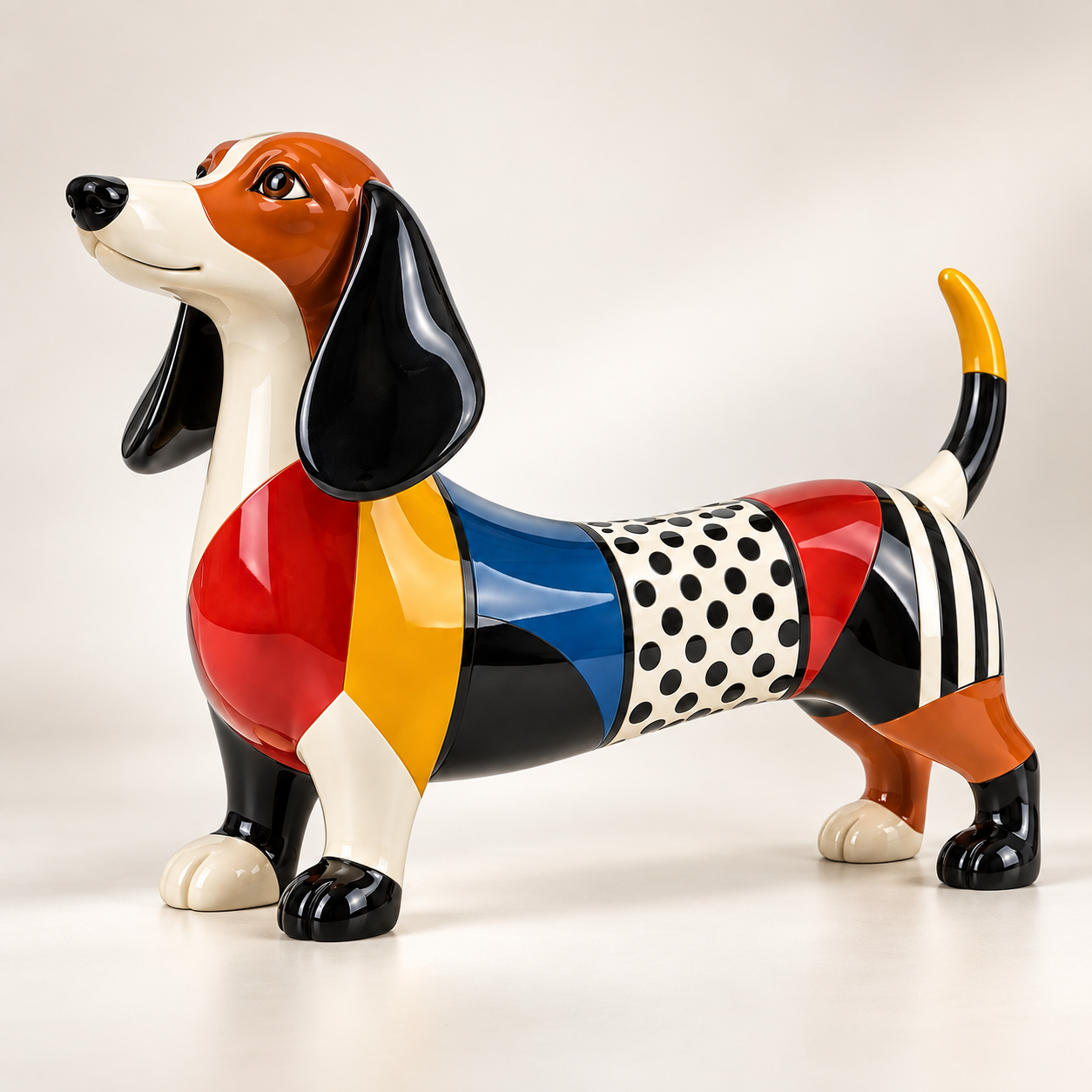
The second has a similar sofa, but there’s a brightly coloured dachshund sculpture on the console, a quirky ceramic bird on the bookshelf and a striped vase beside the window.
Which room would you remember?
Neither is necessarily better designed. But the second tells you something about the person who lives there.
After years of restrained palettes and quiet minimalism, designers and retailers are finding new reasons to embrace personality, humour and unexpected decorative objects.
And perhaps that’s exactly what some homes have been missing.
1. The Return of a Little Fun
The playful-home movement is not about filling every room with colourful objects.
It’s about giving yourself permission to own something simply because it makes you smile.
Pinterest’s 2026 trend forecast introduced Fun Haus, a direction featuring expressive shapes, bold stripes and circus-inspired details.
Meanwhile, industry coverage from Ambiente 2026 highlighted personality-driven products across European gift and home décor categories.
These signals suggest a growing creative interest in objects that are memorable rather than merely coordinated.
A home can still feel sophisticated with something unexpected on the shelf.
Sometimes, that unexpected object is precisely what makes the room work.
2. Why Animals Make Such Good Decorative Characters
Animals have appeared in decorative arts for centuries.
But modern animal décor can be quite different from traditional porcelain figurines or realistic wildlife sculptures.
A dachshund might have exaggerated proportions and graphic colours.
A bird might become a simplified ceramic form.
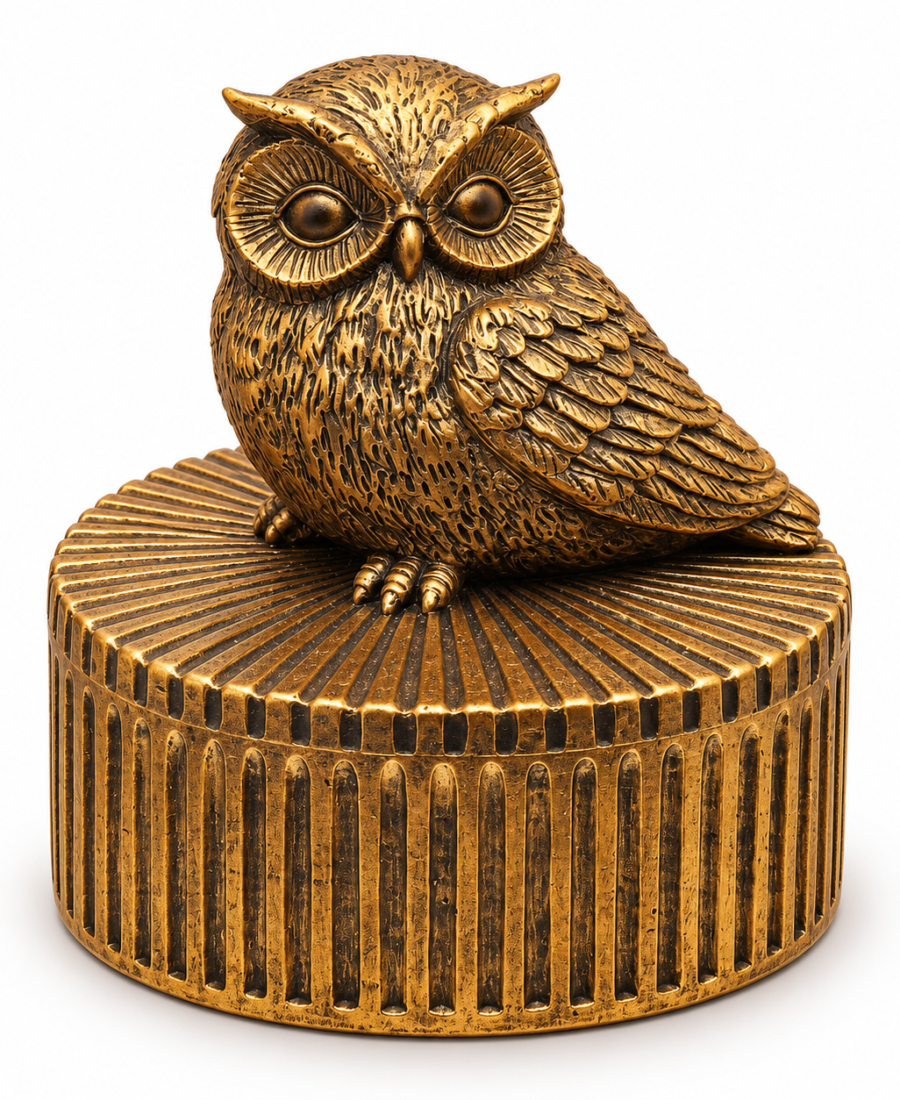
An owl might appear in an antique metallic finish with an architectural base.
The appeal comes from recognition combined with surprise.
We know what a dog or bird should look like. When a designer changes its proportions, texture or colour, the familiar becomes interesting again.
Animal-inspired objects also offer emotional associations: companionship, humour, nostalgia or a connection to nature.
But there’s a difference between playful and childish.
The strongest designs often combine a recognisable character with controlled proportions, considered materials and a confident finish.
3. One Unexpected Object Can Change a Room
You don’t need to redecorate an entire living room to introduce personality.
Consider a modern oak console with a simple mirror above it.
Add an expressive ceramic object or colourful animal sculpture, and the display immediately feels less predictable.
A playful piece can work particularly well in three settings.
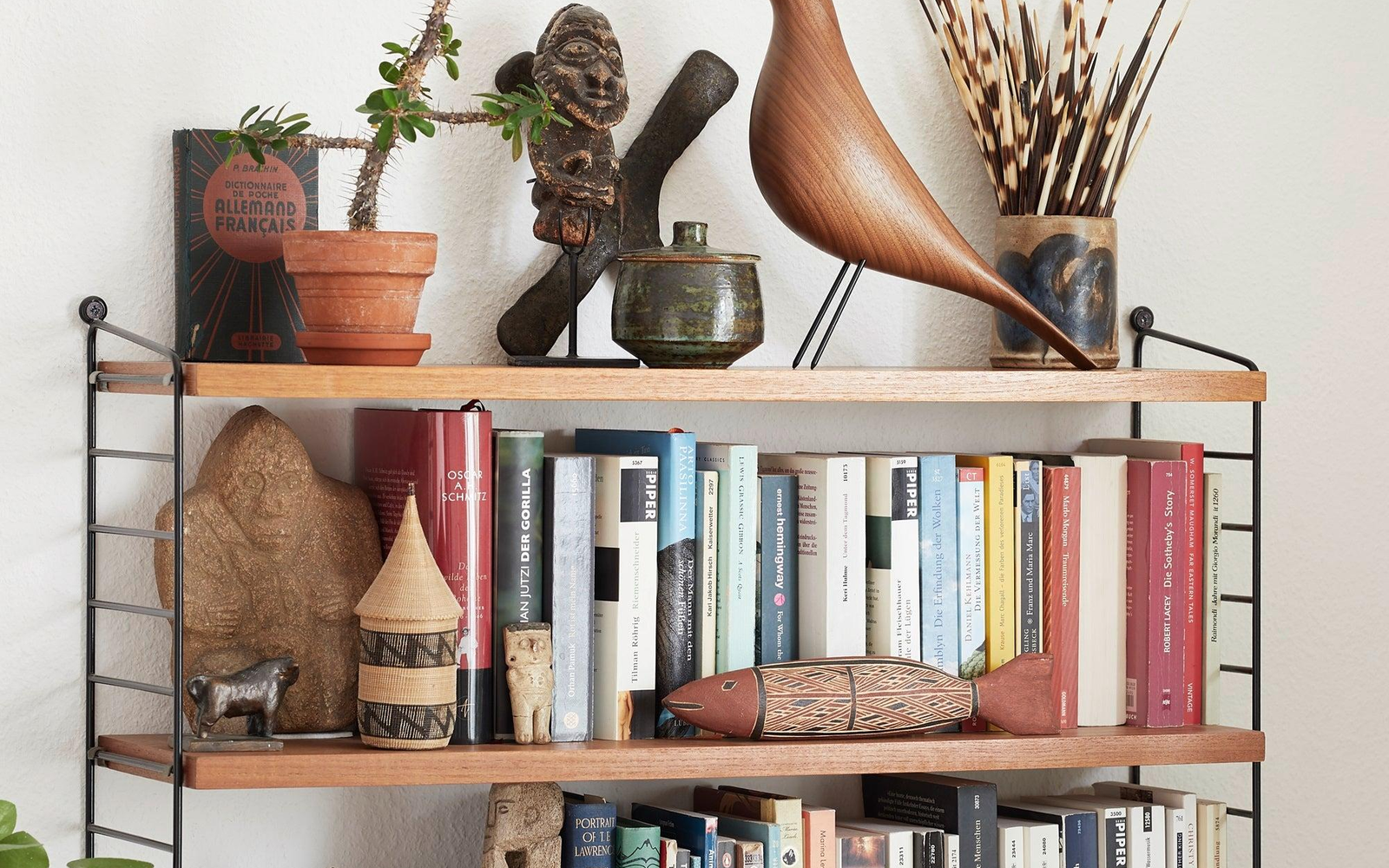
The Bookshelf
Place one sculptural object among books and quieter accessories. Contrast creates interest without requiring a fully colourful display.
The Entryway
A small characterful sculpture can give a first impression of the homeowner’s taste.
The Living Room Console
A statement object alongside a lamp, tray or mirror can become a natural conversation starter.
The key is restraint.
A room full of competing novelty objects can feel like a souvenir shop. One well-chosen piece may be far more effective.
4. America and Europe: Two Ways to Interpret the Playful Home
The American and European markets should not be treated as identical.
For a US lifestyle or gift retailer, highly recognisable shapes, expressive colours and strong visual storytelling can help a product stand out on a crowded display or in online product photography.
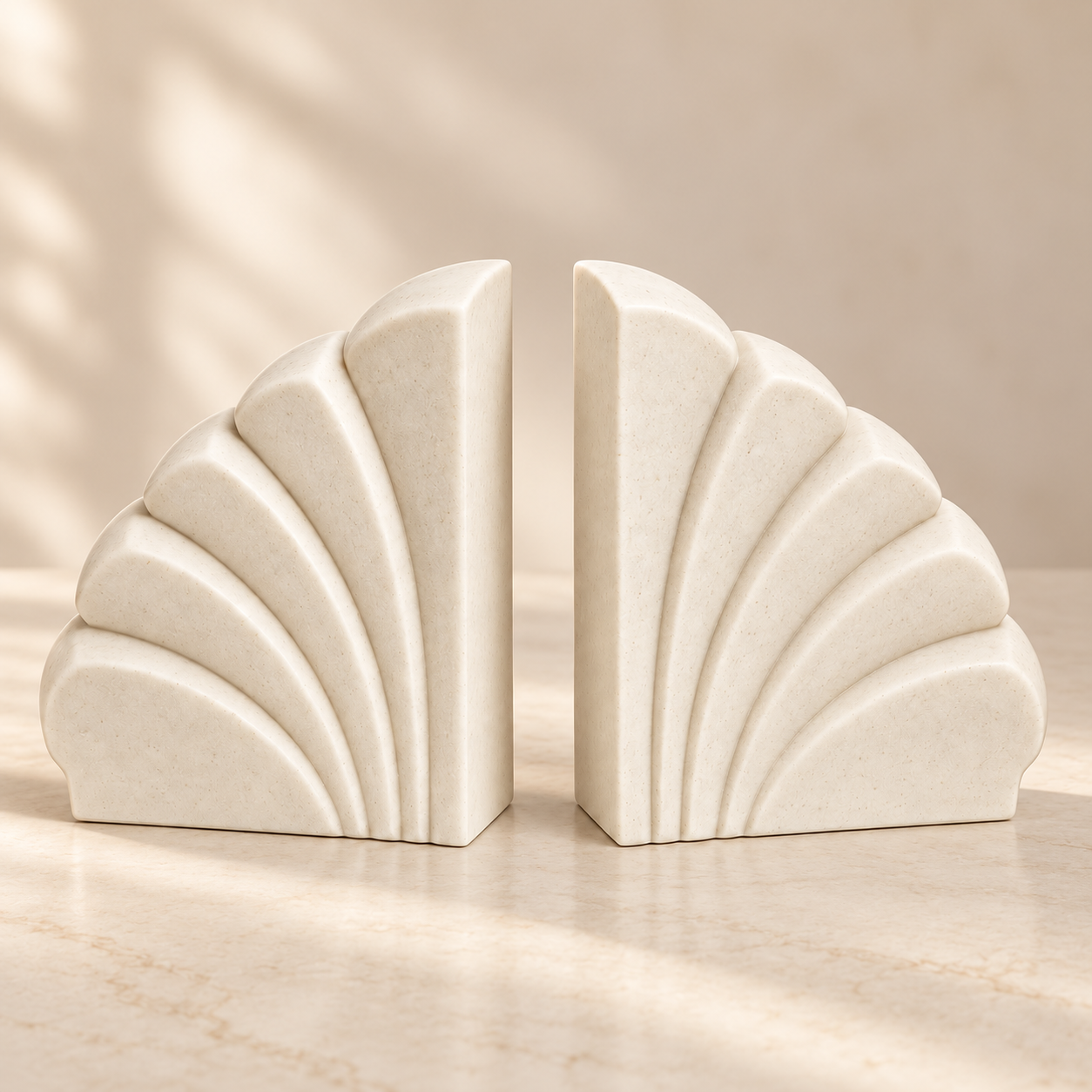
In European design-oriented retail, buyers may prefer a more restrained interpretation: a familiar animal form simplified into a sculptural silhouette, with colour and material carefully controlled.
These are useful assortment hypotheses rather than rigid national preferences.
Both approaches can work in either market.
For international buyers, the practical lesson is to avoid assuming that one finish, colour palette or decorative style will suit every retail channel.
A product’s personality should match the customer and the store’s overall positioning.
5. From Cute Gift to Collectible Home Décor
This is where the opportunity becomes more interesting for retailers.
A playful ornament may be a spontaneous gift purchase.
But a well-developed decorative object can also become part of a longer-term collection.
Consider three potential retail positions.
| Position | Design approach | Possible retail role |
|---|---|---|
| Playful gift | Small, expressive, colourful | Giftable accessory |
| Decorative accent | Sculptural, controlled colour | Bookshelf or console styling |
| Statement piece | Distinctive silhouette, larger scale | Focal point in a home décor display |
The material, dimensions, craftsmanship, packaging and price should support the intended position.
An oversized sculpture may photograph beautifully but occupy valuable shelf space.
A small figurine may suit gifting, but it needs enough character to stand out among similar products.
There is no universally correct size or colour. The design must justify its position in the assortment.
6. A Real Product Example From Teruier
Teruier’s Pop Art Dachshund Sculpture demonstrates how a familiar animal can be developed into an expressive home décor statement.
Its long-bodied dachshund silhouette is combined with graphic colour blocking, stripes and polka-dot elements.
The published product concept uses a resin construction and has a suggested size of approximately 18 × 6 × 11 inches.
Rather than trying to blend into a neutral display, the design invites attention.
It offers potential applications in gift stores, lifestyle retail, eclectic home décor collections and visually led online merchandising.
For a contrasting direction, Teruier’s Antique Gold Owl on Fluted Base Statue uses a more traditional sculptural language.
Both are animal-inspired decorative objects, yet they communicate different moods.
This distinction matters for buyers building a collection.
The animal itself is only the starting point. The commercial identity comes from the silhouette, material, finish, size and intended retail setting.
Teruier works with international home décor brands, retailers, importers and wholesalers on decorative product selection, design development and manufacturing coordination.
Its broader home décor collection includes tabletop accessories and decorative sculptures that can support different retail directions.
7. What Should Retail Buyers Look for in 2027?
Playful home décor offers an interesting opportunity, but not every quirky object deserves space in a retail range.
Before adding a product, ask:
Will customers understand the design immediately?
A memorable silhouette can often communicate more quickly than complicated ornamentation.
Does it look good outside a themed display?
A decorative sculpture should ideally have a place in a real home, not just a seasonal showroom.
Can it be photographed and packaged effectively?
Distinctive shapes are useful for visual merchandising, but projecting features and complex surfaces require appropriate protection.
Does it complement the existing collection?
A playful accent should introduce variety rather than create confusion.
The objective is not to replace every neutral accessory with a colourful animal.
It is to offer a little more personality where the assortment needs it.
Frequently Asked Questions
What is whimsical home décor?
Whimsical home décor uses playful shapes, unexpected colours, imaginative motifs or humorous details to bring personality into interior spaces.
Is animal-inspired décor suitable for modern living rooms?
Yes. Sculptural animal objects can work alongside contemporary furniture when their scale, materials and colours complement the space.
What is the difference between a novelty figurine and a decorative sculpture?
A novelty figurine often relies primarily on a humorous or recognizable theme. A decorative sculpture also emphasizes form, finish, material and its role within the overall interior.
Can playful home décor work in minimalist interiors?
Yes. One carefully chosen expressive object can create contrast in a restrained interior without overwhelming it.
What should wholesale buyers consider when sourcing animal sculptures?
Buyers should examine design originality, proportions, surface quality, stability, packaging, intended retail price and consistency with the approved product specification.
Final Thought: A Beautiful Home Can Have a Sense of Humour
Not every decorative object needs to be timeless, understated or perfectly coordinated.
Some pieces are simply meant to make a room feel more alive.
A colourful dog on a console.
A charming bird beside a stack of books.
An unusual sculpture that makes a guest stop and smile.
For homeowners, these small details can become part of the stories their homes tell.
For retailers, they offer an opportunity to develop products with recognizable character and a clear emotional appeal.
Because good home décor doesn’t always have to be serious. Sometimes, it just needs to make someone smile.
Explore Teruier’s decorative objects and sculptures, or contact our team to discuss wholesale collections, product specifications and custom development opportunities.