Factory Audit Questions: The Checklist I Use Before I Trust a Home Decor Factory China Partner
The audit isn’t a tour. It’s a “future problems” detector.
When a supplier tells me they’re a home decor factory China partner, I don’t care how perfect the sample looks on a shelf.
I care whether they can survive the boring, high-pressure reality of retail: spec control, packaging discipline, and delivery rhythm—especially when the second PO hits.
So here’s my real checklist. If a factory is truly “audit-ready,” they can answer these without guessing.
Start here: “Show me your audit system, not your showroom.”
I like audits run with a clear structure (scope, evidence, follow-up). ISO 19011 is literally written as guidance for auditing management systems—how to manage audit programs and conduct audits in a consistent way.
Questions
-
What is the audit scope today (product lines, processes, outsourced steps, warehouses)?
-
What evidence do you keep for corrective actions (not just rework, but prevention)?
-
Who owns the audit program internally—and how are findings tracked to closure?
Quality and delivery control: “Can you repeat the same output on a bad week?”
If a factory claims strong quality and delivery control, I want to see a quality management mindset that can consistently meet requirements (ISO 9001 is a common signal because it focuses on consistent delivery of quality through a QMS).
Questions
-
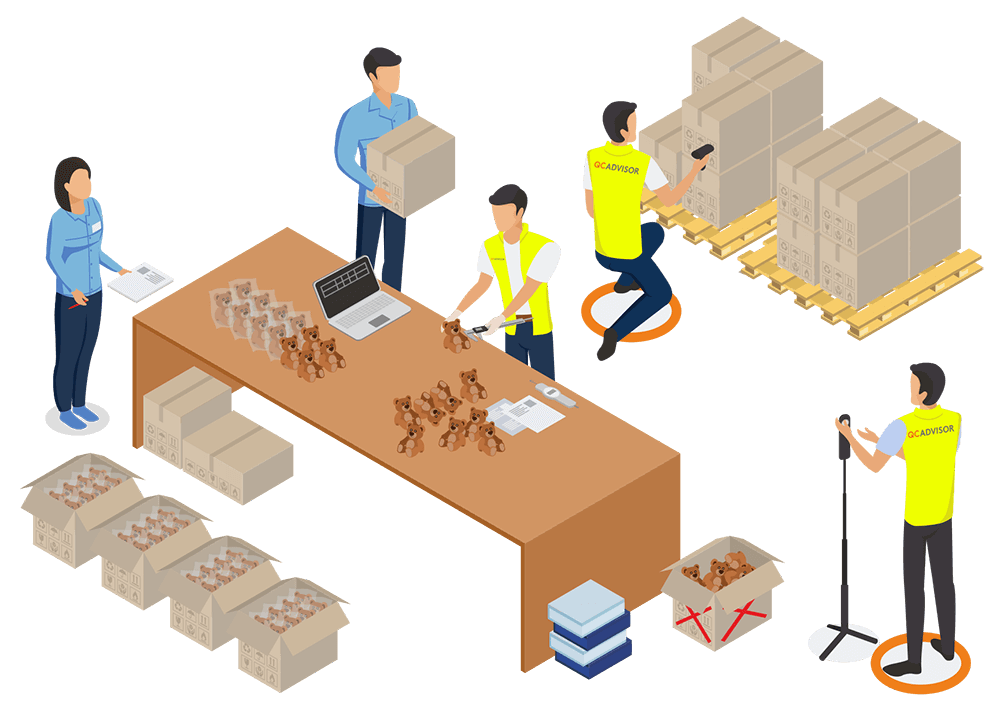
Where are the QC gates: incoming → in-line → pre-shipment? Who signs off at each gate?
-
What are your top 3 recurring defects this year—and what did you change to stop them?
-
What changes can break lead time (finish, carton, component vendor), and how do you control them?
Custom design home decor factory: “How do you turn a brief into a stable spec?”
Any custom design home decor factory can say “yes.” The audit tells me whether they can design and control.
Questions
-
Show me one real “product brief → spec pack → golden sample” trail (with dates, approvals, and revisions).
-
How do you lock tolerances and finish standards so the second PO matches the first?
-
What is your change-control rule (what triggers re-approval before production)?
Multi-factory sourcing: “Who is accountable when production is split?”
If you run multi-factory sourcing, your risk isn’t capacity—it’s inconsistency. I want one operating system across sites.
Questions
-
Which processes are done in-house vs outsourced (finishing, packing, glass, upholstery, hardware)?
-
Who owns the master standard across factories (spec pack, packaging standard, defect limits)?
-
How do you prevent “Factory A sample / Factory B bulk” drift?
Social compliance: “Do you have a system or just an audit file?”
A factory can pass a snapshot audit and still be a long-term risk. I look for ongoing practice.
SMETA (Sedex) is widely used as a social audit approach covering labor, health & safety, environment, and business ethics—and typically results in a corrective action plan.
Questions
-
Which social audit framework do you use (e.g., SMETA), and what were your last corrective actions?
-
What training happens on site (worker safety, working hours, grievance channels)? How often?
U.S. import reality check (non-negotiable): CBP enforces forced-labor trade law using tools like Withhold Release Orders (WROs) and UFLPA enforcement. If your supply chain story is vague, shipments can be delayed or detained.
The last test: “Can your team communicate like a retail partner?”
A factory can be good and still fail retail because communication is slow, unclear, or defensive.
Questions
-
Who is the single owner for: QC, production scheduling, packaging engineering, documentation?
-
What is your response SLA (acknowledge in 24h / action plan in 48h)?
-
Show me your weekly production report format—what metrics are tracked and escalated?
Where Teruier fits
Teruier helps buyers qualify a home decor factory China network with audit-ready discipline—making custom design scalable, keeping multi-factory sourcing consistent, and enforcing quality and delivery control that holds up after the first PO.