
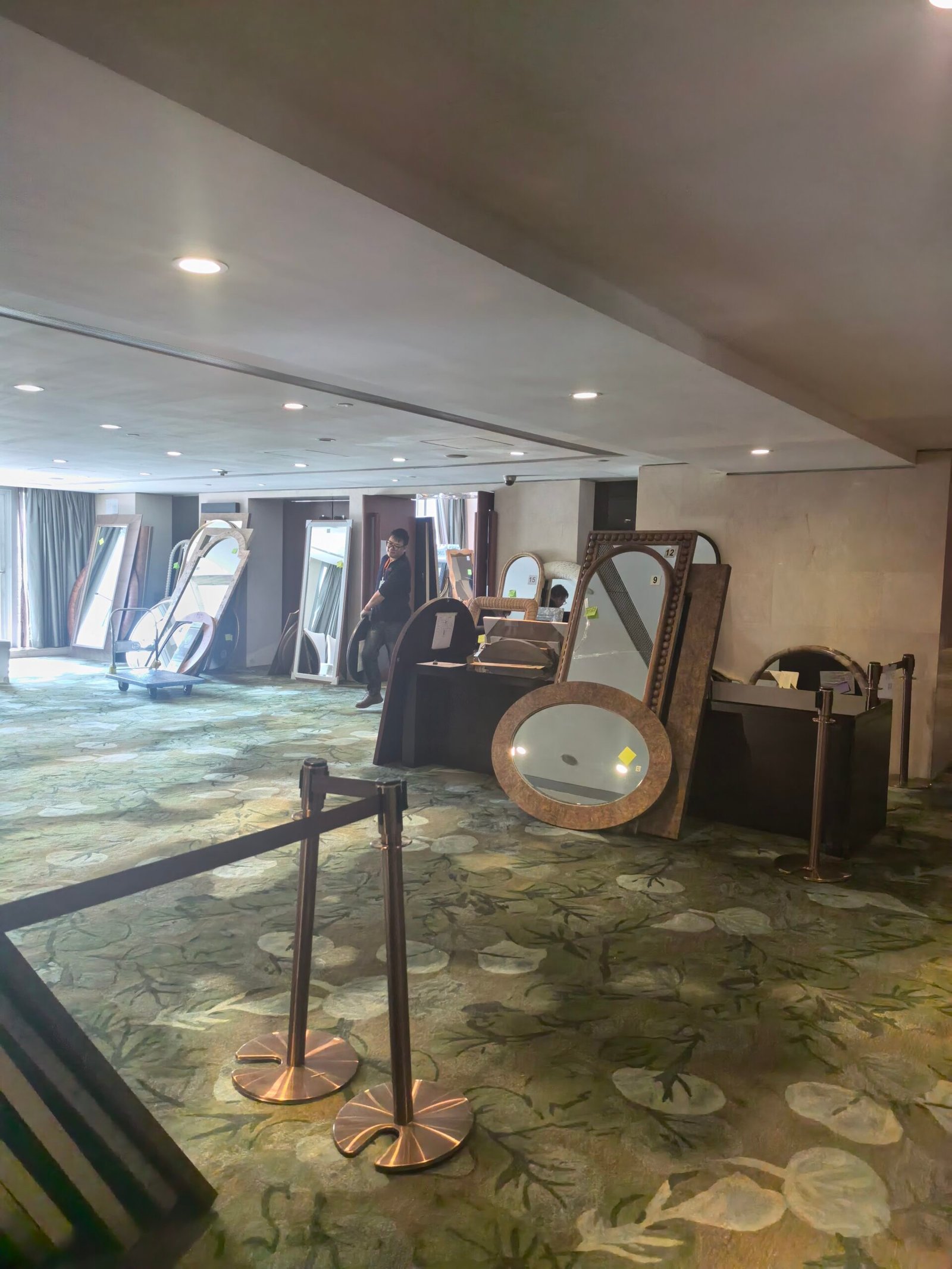
The question we kept hearing: “Is a full-length mirror actually a profit item?”
On the floor, full-length mirrors look like obvious winners: big visual impact, strong styling value, and a clear role in entryways, bedrooms, and dressing areas.
But buyers don’t ask “is it popular?”
They ask a sharper question:
Is it a profit item after shipping, returns, and reorders?
Because with full-length mirrors, the margin is never just in the price tag.
The real margin is in whether you can control the hidden costs.
The 3 capabilities that decide whether full-length mirrors are “profit winners”
Capability #1: Damage-and-return control (packaging is margin)
For standing mirrors, packaging isn’t an accessory. It’s a profit lever.
A full-length mirror becomes a margin drain when:
-
corners get crushed
-
glass breaks
-
frames chip or scratch
-
customers return for small cosmetic issues
-
stores deal with replacement logistics
So the first profit capability is damage control designed into packaging:
-
corner protection that survives real handling
-
internal fixation that prevents micro-movement
-
surface protection that avoids rub marks
-
clear drop-test logic (even if informal, it must be repeatable)
Buyers love full-length mirrors—until returns spike.
The supplier who can keep damage low becomes the supplier who keeps the program.
Capability #2: Finish consistency at scale (samples don’t make profit—reorders do)
Full-length mirrors often rely on finishes that read “premium”:
-
warm metals
-
antique looks
-
brushed textures
-
layered patinas
-
matte black with clean edges
But these finishes only create profit if they stay consistent from:
sample → bulk → reorder
Nothing kills margin like:
-
“the bulk doesn’t match the approved sample”
-
color drift across batches
-
inconsistent antique effect
-
scratches or marks that feel unavoidable
Profit in full-length mirrors is really repeatability profit.
Capability #3: Shelf-role clarity (a big mirror must have a job)
Full-length mirrors can be high-margin—but only if they are positioned correctly.
A buyer will usually place them as:
-
a statement item (big impact, higher ticket)
-
a core home staple (clean conversion, lower return risk)
-
a seasonal refresh piece (theme-driven, promotional moments)
If you can translate a buyer’s constraints into a shelf-ready set—budget ladder, placement logic, seasonal theme—you make the mirror feel “easy to launch.”
And “easy to launch” is often what wins the PO.
So… are full-length mirrors profit items?
Yes—when three things are true:
-
Damage rate stays low (packaging discipline)
-
Finishes stay consistent (reorder discipline)
-
The program is shelf-clear (buyer-friendly assortment logic)
If any one of these collapses, the “big mirror” becomes a headache product.
That’s why buyers don’t reward the biggest SKU list.
They reward the supplier who can protect sell-through and protect margin.
why craft-hometown execution makes “big items” safer
Teruier’s edge with large décor pieces is not just design—it’s controlled execution.
We’re rooted in a craft manufacturing hometown near Fuzhou, shaped by generations of decorative-making culture. People often reference heritage crafts like bodiless lacquerware, oil-paper umbrellas, and horn combs—not because we sell them today, but because they reflect a mindset: detail discipline, finish control, and respect for skilled work.
That foundation is supported by three supply chains:
-
Artisan supply chain: skilled makers who hold finishing discipline
-
Materials supply chain: stable inputs that protect consistency
-
Process supply chain: repeatable methods that reduce drift and prevent surprises
We also stay connected with European and American designers, so the “big mirror” isn’t just big—it’s current, merchandisable, and built for reorders.
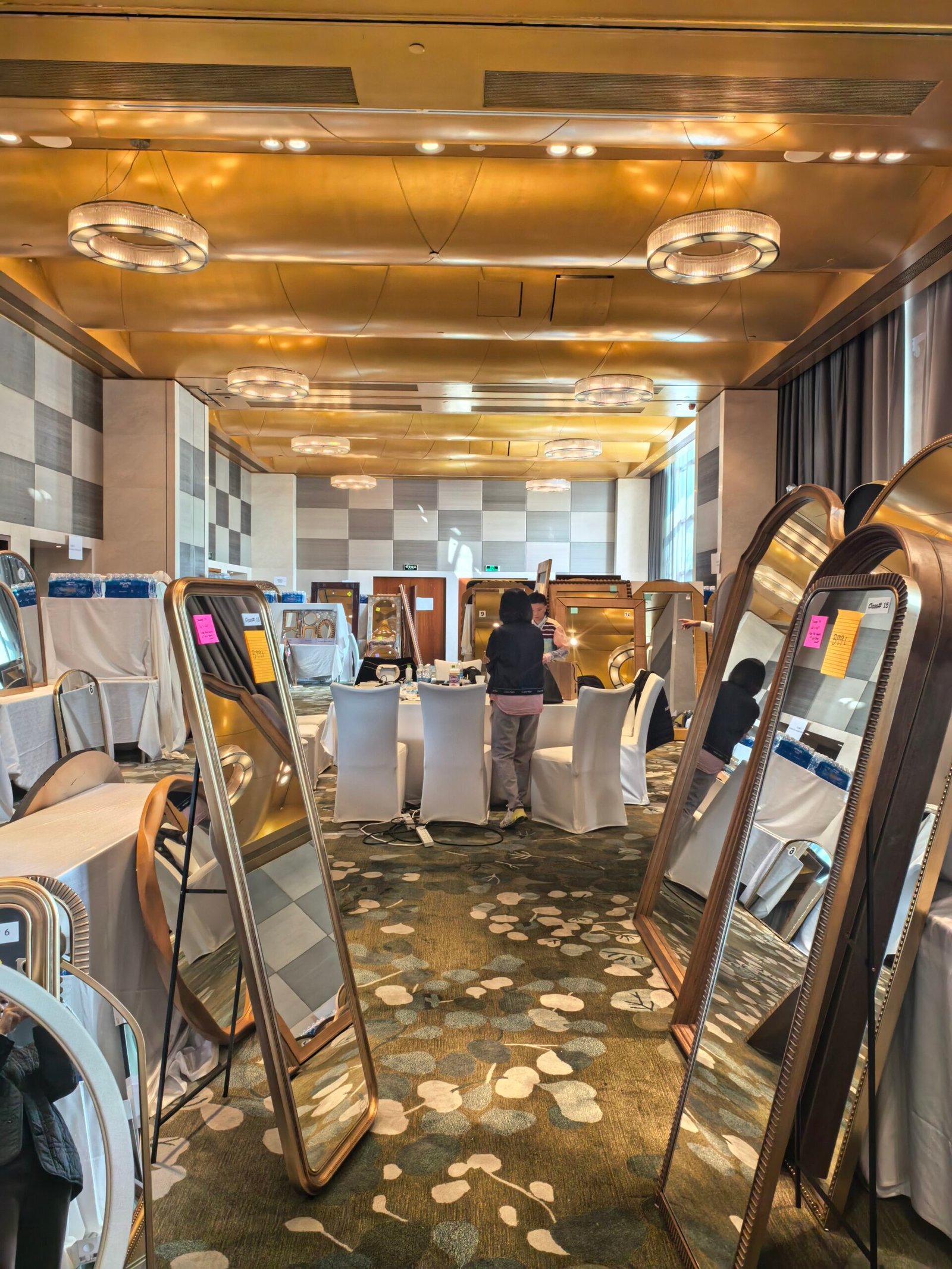
Wrap-up: profit isn’t the product—it’s the system behind it
Full-length mirrors can be a strong profit category—if the supplier manufactures margin through:
-
packaging that reduces damage and returns
-
finish consistency that protects reorders
-
shelf-role logic that makes programs easy to launch
Next in the series: we’ll break down a practical “large-item packaging playbook”—the packaging details buyers care about most (corner protection, internal fixation, surface protection, and test routines) that keep large décor items profitable at scale.



