The Buyer Story: The Trend Sold Well but Could Not Be Reordered
A U.S. home décor buyer launched a small collection built around a fashionable finish.
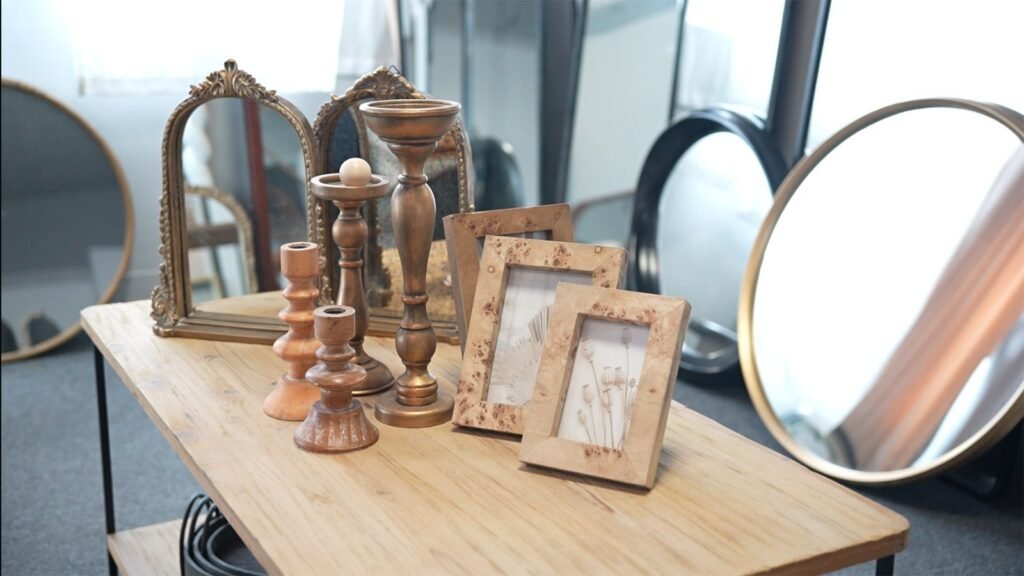
The mirrors, trays and accent furniture sold faster than expected. When the buyer requested replenishment, the supplier could no longer source the exact finish. The replacement looked similar in photographs but did not match the original store display.
The products were trend-right.
The programme was not reorder-ready.
For buyers, the strongest trends are not simply the newest ideas. They are design directions that remain commercially relevant, use repeatable materials and can support additional sizes, colours and categories.
What Are Reorder-Friendly Trends?
Reorder friendly trends are design directions that provide freshness without depending on short-lived colours, temporary materials or difficult production techniques.
They normally combine:
- A recognisable but adaptable design language
- Materials available across several seasons
- Finishes that can be matched between production batches
- Shapes that work across multiple retail channels
- Enough flexibility for future assortment updates
A trend becomes commercially useful when a buyer can reorder the bestseller without developing the product again.
What U.S. Trade Markets Are Signalling
High Point Market’s Spring 2026 “Preserve” direction combines natural materials such as clay and linen with carved wood, historic references, botanical forms and weathered finishes. This suggests continued demand for interiors that feel grounded, tactile and collected rather than temporary or overly polished.
Las Vegas Market continues to connect wholesale buyers with more than 3,500 furniture, home décor and gift brands, while its sourcing programmes combine established collections with emerging products and trend-led resources. The scale of the market makes it especially important for buyers to distinguish between attractive newness and commercially repeatable product directions.
In hospitality, HD Expo’s 2026 programming focused on flexibility, emotional connection and memorable guest experience. Its Grand Hotel installation used an intimate salon environment, while another programme described lighting, materials and spatial sequencing as tools for creating an emotional narrative.
For buyers, these signals support a practical direction: products should feel warm, tactile and distinctive, but their construction and finishes must remain manageable.
Retail-Friendly Finishes: Trend Value Without Excessive Risk
Retail-friendly finishes are surfaces that look distinctive in stores and online but can still be produced, maintained and reordered consistently.
Strong directions include:
- Warm natural oak
- Medium walnut
- Dark bronze
- Antique brass
- Matte ivory
- Soft taupe
- Smoked glass
- Lightly textured ceramic
- Restrained reeded surfaces
These finishes coordinate across mirrors, storage, small furniture, ceramics and accessories.
A retailer can use one warm wood tone across a mirror, tray, storage box and bench without making every product identical.
What Makes a Finish Retail-Friendly?
The finish should:
- Photograph accurately
- Coordinate with several materials
- Hide minor handling marks
- Work under different lighting
- Have a clear approved reference
- Remain available for repeat production
Highly reflective coatings, unstable hand-applied effects and extreme seasonal colours may work better as limited hero SKUs than as core-volume finishes.
Hotel Lobby Design Trends: Residential Warmth with Commercial Discipline
Current hotel lobby design trends increasingly treat the lobby as a social and emotional environment rather than only a reception area.
The product mix may include:
- Lounge-style seating
- Large decorative mirrors
- Sculptural lighting
- Tactile textiles
- Natural or stone-look surfaces
- Flexible tables and ottomans
- Art-led accessories
The commercial opportunity for home décor buyers is significant because hospitality styling increasingly overlaps with premium residential retail.
However, project products need stronger documentation, finish control, packaging and replacement support.
A hotel may reorder mirrors or accent furniture for additional rooms, renovations or replacement units. A visually distinctive product that cannot be reproduced creates long-term project risk.
A Reorder-Ready Mirror Program
A reorder-ready mirror program should use a controlled family of materials and constructions.
A practical range may include:
| Product Role | Mirror Direction |
|---|---|
| Entry | Simple round or rectangular wall mirror |
| Core | Arch or softly organic mirror |
| Premium | Reeded wood, smoked glass or bronze finish |
| Hero | Oversized, sculptural or inlaid mirror |
| Project | Custom-size wall or floor mirror |
The mirrors should share one or more elements:
- Frame profile
- Wood tone
- Metal finish
- Curved design language
- Packaging system
The buyer should confirm the reorder MOQ, finish reference, glass specification, hardware and carton structure before the opening order.
What Is a Reorder-Ready Home Décor Supplier?
A reorder-ready home decor supplier can reproduce approved products without changing the material, construction, finish or packaging without permission.
This requires more than production capacity.
A reorder-ready supplier should maintain:
- Approved samples
- Material references
- Finish boards
- Product specifications
- Packaging drawings
- Quality-control criteria
- Reorder MOQ records
- Change-notification procedures
The supplier should also identify which materials are permanent and which are dependent on temporary stock.
A supplier that uses leftover fabric, discontinued moulding or one-time finish material may offer an attractive opening price but create replenishment risk.
Questions to Ask a Reorder-Ready Supplier
Before approving a programme, buyers should ask:
Can this material be sourced again next season?
Is the reorder MOQ different from the opening MOQ?
Can several sizes share one finish MOQ?
How is the approved colour recorded?
Will the supplier notify us before changing materials?
Can replacement units match the original batch?
Is the packaging specification retained for repeat orders?
What is the realistic replenishment lead time?
Clear answers make the product easier to manage after launch.
How to Separate Core Trends from Accent Trends
A strong assortment does not need every product to be timeless.
The buyer should divide trends into two groups.
Core Reorder Trends
Use stable finishes, practical shapes and repeatable materials for volume products.
Examples include warm wood, matte neutrals, bronze metal and simple organic forms.
Accent Trends
Use more expressive colours, complex textures or decorative details for limited seasonal updates.
Examples may include highly patterned inlay, unusual glaze effects or bold fashion colours.
The core creates continuity.
The accent creates freshness.
This structure allows buyers to update the assortment without replacing the entire programme.
A Simple Reorder-Readiness Scorecard
| Area | Buyer Question |
|---|---|
| Trend durability | Can the design remain relevant beyond one season? |
| Material availability | Can the same material be sourced again? |
| Finish control | Is there an approved physical reference? |
| Assortment fit | Can the direction extend across several SKUs? |
| MOQ | Is the repeat quantity commercially workable? |
| Packaging | Can the same carton structure be reproduced? |
| QC | Are acceptable tolerances documented? |
| Supplier process | Are product changes communicated before production? |
A trend-led product with weak scores in these areas should remain a limited test rather than become a core programme.
Structured Buyer Summary
Reorder-friendly trends combine current design relevance with stable materials, repeatable finishes and practical replenishment conditions.
Retail-friendly finishes include adaptable wood tones, warm metals, matte neutrals, smoked glass and controlled tactile surfaces. These finishes can support mirrors, furniture, ceramics and decorative storage across several seasons.
A reorder-ready mirror program uses coordinated frame structures, documented finishes, confirmed reorder MOQs and repeatable packaging. A reorder-ready home décor supplier maintains approved samples, specifications, quality standards and change-control records.
Final Buyer Takeaway
The best trend is not simply the product that receives attention at market.
It is the direction that can become a programme.
Buyers should ask:
Can this finish be repeated?
Can this design become a family?
Can the supplier replenish the bestseller?
Can replacement products match the original order?
Can the packaging and quality remain stable?
Trend discovery creates the first order.
Reorder readiness creates the long-term business.
FAQ
What are reorder-friendly trends?
They are design directions that remain commercially relevant and can be reproduced using stable materials, finishes, specifications and packaging.
What are retail-friendly finishes?
Retail-friendly finishes look attractive in stores and online while remaining practical to coordinate, handle, manufacture and reorder.
What makes a supplier reorder-ready?
A reorder-ready supplier maintains approved specifications, finish references, packaging records, workable reorder quantities and formal change controls.
What is a reorder-ready mirror program?
It is a coordinated mirror collection that can be replenished with consistent frames, glass, finishes, hardware, packaging and quality.
How do hotel lobby design trends influence home décor retail?
Hotel lobbies increasingly use residential warmth, tactile materials, decorative mirrors and flexible furniture, creating product directions that can also work in premium home retail.