
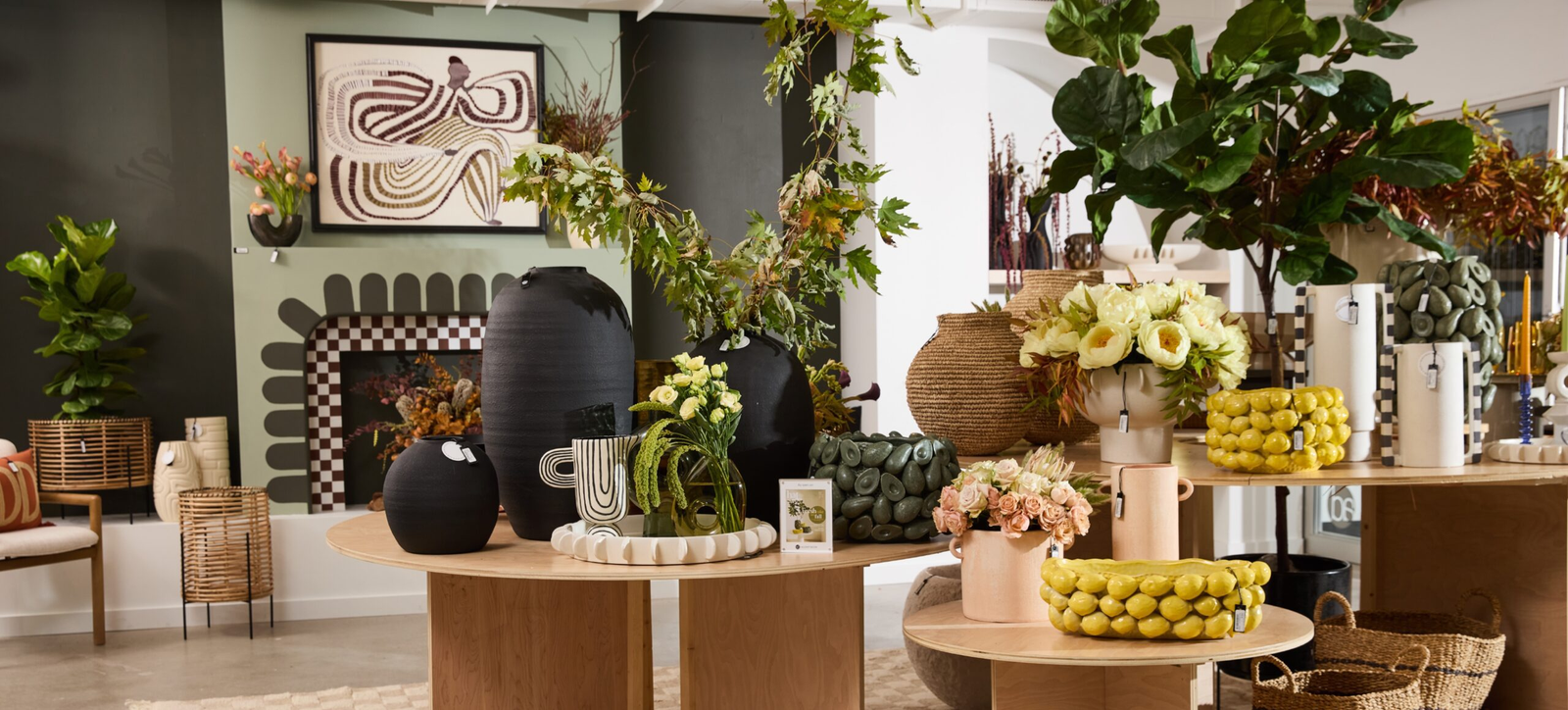
The Trade Fair Signal: Texture, Warmth, and Coordination Are Doing the Heavy Lifting
The latest home decor fairs are making one thing clear: buyers are not looking for lonely products anymore.
A ceramic vase cannot just sit there looking artistic and mysterious.
A cushion cannot just be soft and hope for the best.
A storage ottoman cannot simply say, “I have fabric.”
A decorative object cannot rely on one good photo and a flattering shadow.
Today’s buyers want ceramic decor and soft furnishings that work together: texture, colour, shape, material, function, packaging, and margin. Very inconvenient for lazy sourcing. Very useful for serious business.
At Teruier, we believe home decor wholesale should not stop at “this looks nice”. It should answer the real buyer question: can this product be selected, specified, sampled, packed, shipped, displayed, sold, and reordered?
That is where the work begins.
What Is Ceramic Decor and Soft Furnishings Wholesale?
Ceramic decor and soft furnishings wholesale refers to bulk sourcing of decorative and textile-based home products for importers, distributors, retailers, designers, furniture stores, project buyers, and private label brands.
Ceramic decor may include:
Ceramic vases
Decorative bowls
Tabletop sculptures
Candle holders
Planters
Ceramic trays
Seasonal decorative objects
Soft furnishings may include:
Cushions
Poufs
Fabric ottomans
Upholstered stools
Soft storage benches
Throws
Textile-covered accent pieces
For buyers, the value is not only in each item. The value is in how these products create a coordinated room story.
Ceramic brings shape, surface, glaze, and craft feeling.
Soft furnishings bring comfort, colour, texture, and lifestyle warmth.
Together, they make a product line feel finished. Separately, they can sometimes look like someone panicked in a showroom.
Teruier’s Cross-Border Design-Manufacturing Coordination Model
Teruier’s work is built around a Cross-Border Design-Manufacturing Coordination Model.
The name sounds rather serious. The job is very practical.
International buyers often speak in market language:
“We need warm neutral products.”
“We want soft textures for living rooms.”
“We need tabletop decor that looks handcrafted.”
“We want a coordinated collection for retail display.”
“We need products that work for both showroom and project sourcing.”
Factories speak in production language:
Material
Mould
Glaze
Fabric
Foam
Frame
Size
Tolerance
Packing
MOQ
Lead time
Teruier helps connect these two worlds.
We translate buyer intention into product specifications. We help shape ideas into ceramic finishes, textile choices, size planning, sample direction, packing logic, and delivery coordination.
Because “make it premium but not expensive” is a very common buyer request.
It is also not a specification. Not yet.
Why Ceramic Decor and Soft Furnishings Work Well Together
Ceramic decor and soft furnishings are natural partners in home decor buying.
Ceramic products add visual structure. They bring height, shine, matte texture, sculptural form, and handcrafted character.
Soft furnishings add comfort. They bring softness, colour, pattern, warmth, and a more lived-in feeling.
A retail buyer can combine them into:
Living room collections
Bedroom styling groups
Entryway displays
Tabletop decor stories
Seasonal product themes
Hotel room packages
Villa interior assortments
Private label home decor lines
For example, a warm matte ceramic vase can sit beside a textured cushion, a fabric ottoman, and a decorative tray. Suddenly, the buyer is not selling “one vase”. The buyer is selling a room mood.
That is more useful. Also more profitable, which tends to improve everyone’s personality.
Comparison: Single-Product Sourcing vs Collection-Based Sourcing
| Buying Method | What Usually Happens | Teruier Approach |
|---|---|---|
| Single ceramic item | Product may look nice but feels isolated | Builds tabletop stories by shape, glaze, size, and display role |
| Random soft furnishings | Colours and fabrics do not connect | Coordinates fabric, texture, colour, and room use |
| Trend-only buying | Buyer follows a style but lacks specs | Translates trend into material, finish, size, and packing details |
| Price-first sourcing | Low price may create weak perceived value | Balances cost, visual value, usability, and margin |
| Catalogue-only selection | Too many choices, little direction | Filters by market, category, project use, and collection logic |
A product list tells buyers what exists.
A collection plan tells buyers what can sell together.
There is a difference. A rather important one.
What Buyers Should Check Before Ordering Ceramic Decor
Ceramic decor looks simple until it is time to produce it.
Buyers should check:
Material type
Shape stability
Glaze finish
Colour consistency
Handmade variation
Size tolerance
Surface texture
Weight
Packing method
Carton protection
MOQ
Lead time
Collection potential
A ceramic vase with a beautiful reactive glaze can be wonderful. But if the buyer does not define acceptable variation, “handcrafted character” may quickly become “why is every piece different?”
Teruier helps buyers turn ceramic charm into controlled commercial value.
What Buyers Should Check Before Ordering Soft Furnishings
Soft furnishings are not just about fabric looking pleasant in a photo.
Buyers should check:
Fabric type
Colour fastness
Texture
Foam or filling
Stitching
Shape recovery
Load-bearing structure
Removable cover options
Care instructions
Packing volume
Retail display method
Private label requirements
A cushion should not collapse after one week.
A pouf should not look tired before the customer does.
An upholstered ottoman should be something people can actually sit on, because apparently that is what seating products are for.
Small details matter.
How Teruier Builds and Delivers
Teruier supports buyers through a practical workflow:
Trend direction review
Category and product selection
Material and finish discussion
Specification clarification
Sample development
Packing review
Private label coordination
Product notes
Collection planning
Delivery communication
Reorder support
This matters especially when ceramic decor and soft furnishings are sourced together. The buyer needs colour coordination, style consistency, size balance, packing reliability, and a clear product story.
A shipment should not feel like five suppliers had five different opinions and nobody spoke to each other.
Teruier’s job is to keep the product direction connected.
Why This Matters for Importers, Designers, and Retailers
Importers need products that can move through the supply chain with fewer surprises.
Designers need products that fit real spaces, not only moodboards.
Retailers need products that display well, explain easily, and support add-on sales.
Distributors need items that can be sold across multiple customer types.
Ceramic decor and soft furnishings are useful because they can create flexible product stories. A vase, cushion, pouf, and tray can work across homes, stores, hotels, showrooms, and project interiors.
But only when the products are planned properly.
Otherwise, the buyer simply owns inventory with a charming personality and no clear job.
FAQ
What is ceramic decor and soft furnishings wholesale?
It means sourcing ceramic decorative products and textile-based home decor products in bulk for importers, distributors, retailers, designers, project buyers, and private label brands.
Why should buyers source ceramic decor and soft furnishings together?
They work well together because ceramic decor adds shape and craft feeling, while soft furnishings add texture, comfort, colour, and lifestyle warmth. Together, they create stronger room stories and better retail displays.
What is Teruier’s Cross-Border Design-Manufacturing Coordination Model?
It is Teruier’s method of translating buyer needs, design trends, and market positioning into practical product specifications, sample plans, material choices, packing logic, and delivery coordination.
What should buyers include in an RFQ?
A good RFQ should include product type, size, material, finish, colour direction, quantity, target market, packing requirement, private label needs, target price level, and delivery timeline.
Can Teruier support private label collections?
Yes. Teruier can support private label planning, product selection, packaging direction, SKU labels, product notes, collection logic, and reorder-friendly product development.
Are ceramic decor products difficult to control?
They can be, especially when glaze, handmade texture, or sculptural shape is involved. The key is to define acceptable variation, packing protection, and production standards before bulk order.
What makes soft furnishings commercially strong?
Good soft furnishings should combine fabric quality, comfort, colour, texture, stitching, structure, care logic, packing efficiency, and clear room application.
Final Thought: Pretty Is the Start, Delivery Is the Business
Ceramic decor and soft furnishings are powerful categories because they bring warmth, texture, comfort, and personality into home decor collections.
But B2B buyers need more than attractive products.
They need products that can be specified, sampled, packed, delivered, displayed, sold, and reordered.
That is why Teruier focuses on building and delivering product programmes, not just sending random catalogue pages.
Because in home decor wholesale, style gets attention.
But coordinated, well-specified, deliverable style gets the order.



