
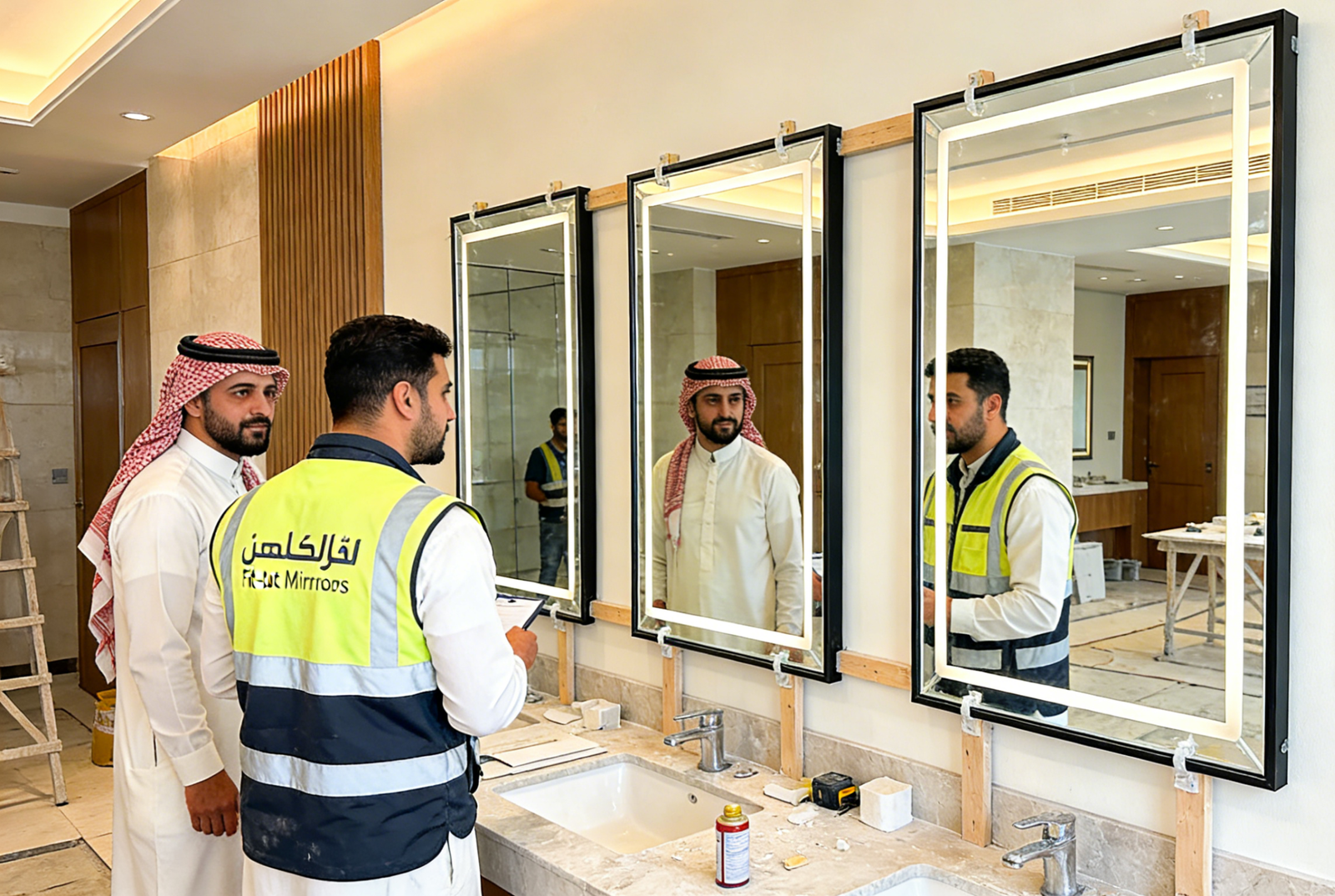
In hospitality fit-out, mirrors aren’t “decor.” They’re schedule-critical materials. If your mirrors arrive late, inconsistent, or un-installable, the site doesn’t care how pretty the catalog looked.
Here’s what hospitality fit-out buyers in KSA actually need.
1) Fit-out starts with drawings, not samples
Your first deliverable is not the mirror—it’s clarity:
-
shop drawings aligned to site conditions
-
mounting points and depth confirmed
-
wiring notes if LED
-
finish reference approved
Hotels and serviced apartments don’t want surprises on installation day.
2) Phased delivery is the secret weapon
Phased delivery keeps projects moving:
-
Ship by building → floor → zone
-
Lock milestone dates (site readiness, install windows)
-
Plan spare units per phase (site damage happens)
A phased approach also prevents batch drift: you can control finish and QC consistency per phase.
3) Site coordination: packaging should “behave on site”
Project sites create different damage:
-
cartons opened and re-closed
-
units moved without careful handling
-
storage conditions vary
So packaging needs: -
clear opening/repacking logic
-
carton marks that site teams follow
-
protection that survives re-handling
4) Replacement rules (write them before trouble shows up)
A project-ready supplier has replacement rules:
-
what qualifies for replacement
-
how claims are documented
-
replacement lead time and shipping method
When replacement is slow, schedules slip—then everybody gets angry.
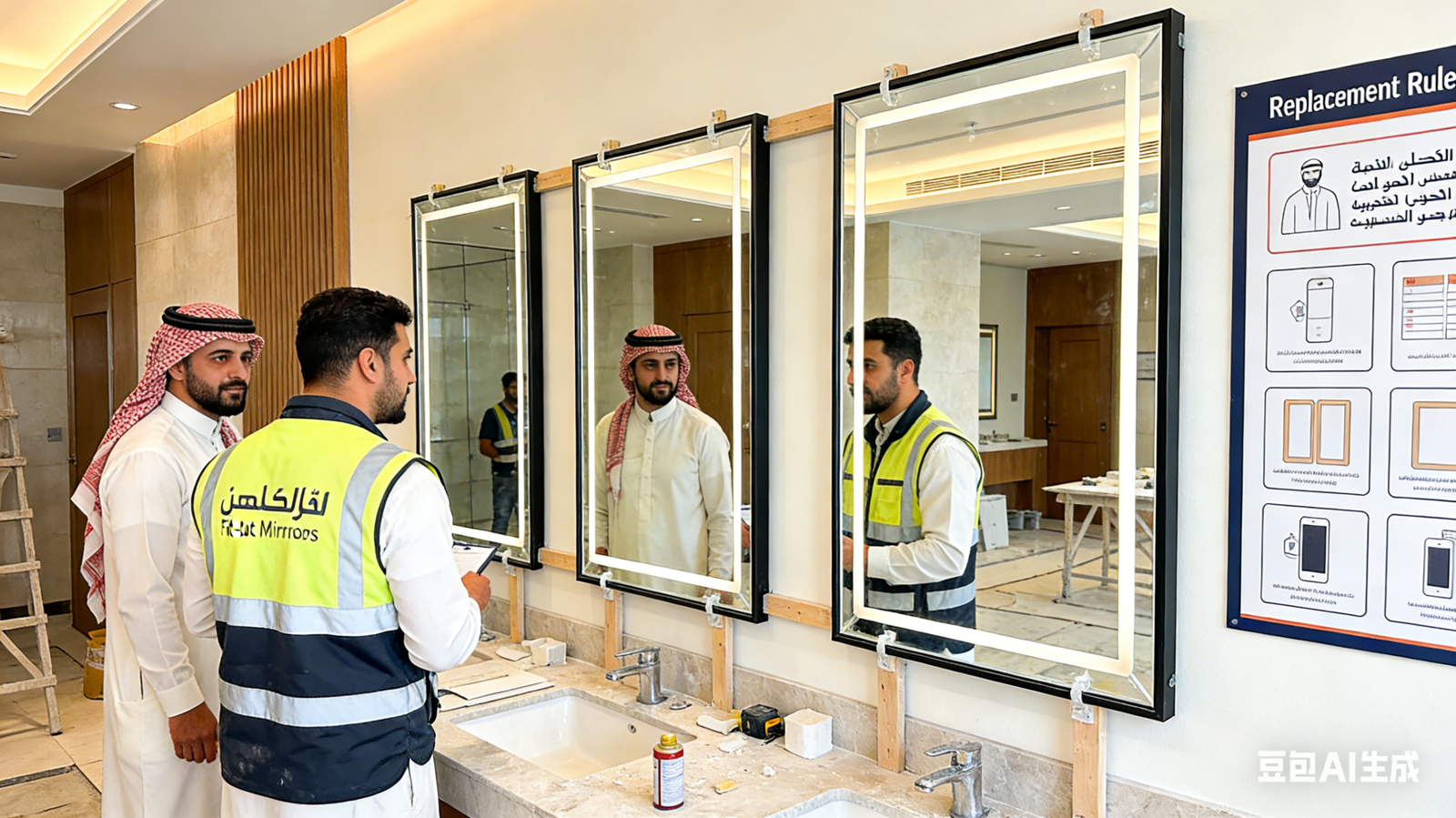
Teruier supports hospitality fit-out with a coordination mindset: Teruier cross-border design manufacturing collaboration model ensures specs, QC, and delivery planning stay aligned. And because we’re rooted in the Fuzhou craft hub supply chain—craftsmen / materials / techniques——we can lock finishes and keep consistency across phases. Fuzhou’s long craft tradition (from classic lacquer techniques to other heritage crafts) shows up today as a culture of process discipline, which is exactly what projects require.



